
A line of ants crossing the kitchen counter, a spider web near the patio light, or scratching in the attic rarely starts as a major problem. But Southern California pests have a long active season, and small signs can become a recurring issue when food, moisture, shelter, or access points are easy to find.
In Temecula, Murrieta, and nearby valley communities, pest pressure changes with the weather, landscaping, construction, and activity around a property. A warm spell can bring ants indoors. A nearby irrigation leak can support mosquitoes and flies. Dry conditions can push rodents and spiders toward homes, garages, offices, and storage areas in search of water and cover.
The good news is that most pest problems are manageable when they are addressed early and with a plan that fits the property. The right approach is not always the same for every home or business. It depends on the pest, the source of activity, and the conditions that are keeping it around.
Why Southern California Pests Stay Active
Southern California does not have the long, sustained winter freeze that slows pest activity in other parts of the country. That means many pests can remain active for much of the year. A quiet winter does not necessarily mean the problem is gone. It may simply mean pests have moved into wall voids, garages, landscaping, crawl spaces, or other protected areas.
Our local mix of dry weather and irrigated properties also creates a predictable pattern. Outdoor areas may be hot and dry, while lawns, planters, drip lines, pet water bowls, and air-conditioning runoff provide reliable moisture. Pests follow those resources.
Homes and commercial buildings also offer shelter. Gaps around utility lines, worn weather stripping, open vents, door sweeps, roofline openings, and garage-door gaps can all create an easy route inside. Once a pest finds food, water, and a protected place to hide, it has a reason to stay.
The Pests Local Properties See Most Often
Ants
Ants are one of the most common calls in the Temecula and Murrieta Valley. They may show up along baseboards, counters, sinks, windows, patios, and pool areas. A few visible ants can represent a much larger colony nearby, which is why spraying the trail alone may not solve the issue.
Ant activity often increases when conditions outside shift. During hot, dry weather, ants may search indoors for water. After rain or irrigation, they may relocate or expand their foraging routes. Keeping food sealed and wiping up spills helps, but persistent activity usually calls for treatment aimed at the colony and the entry points, not just the ants you see.
Spiders, including brown widows
Spiders prefer quiet, protected spaces. Garages, sheds, block walls, patio furniture, storage boxes, eaves, and cluttered corners are common hiding spots. Brown widow spiders are especially common around outdoor structures and may build irregular webs in items that are not moved often.
Most spider control begins with reducing the conditions that support them. Clearing unnecessary clutter, shaking out stored items before use, trimming vegetation away from the structure, and limiting insects around exterior lights can make a real difference. If spiders are repeatedly appearing near doors, play areas, or workspaces, targeted treatment and ongoing exterior service may be the better choice.
Rodents
Mice and rats do not need a large opening to enter a building. They can squeeze through gaps around pipes, vents, rooflines, garage doors, and utility penetrations. Once inside, they may damage insulation, chew wiring, contaminate stored goods, and create a persistent sanitation concern.
Rodent control works best as a combination of removal and exclusion. Trapping may address current activity, but sealing the access points is what helps prevent the next rodent from moving in. This is particularly important for homes near open space, vineyards, hillsides, construction zones, or areas with dense landscaping.
Cockroaches, flies, and mosquitoes
These pests are often tied to moisture, food handling, and sanitation conditions. Cockroaches can hide in tight, warm areas near kitchens, appliances, plumbing, and utility spaces. Flies are attracted to trash, drains, pet waste, food debris, and outdoor dining areas. Mosquitoes need standing water to breed, even if it is only a small amount in a planter saucer, clogged drain, tarp, or neglected container.
For restaurants, offices, retail spaces, and multifamily properties, these pests can affect comfort and customer confidence quickly. Routine inspections and clear communication matter because a small maintenance issue can become a visible problem if it is allowed to continue.
Wasps, fleas, and gophers
Wasps often build nests beneath eaves, inside patio covers, around play equipment, or near outdoor seating. Removing a visible nest is not a do-it-yourself job when the nest is active or located near entrances. A professional can identify the nest location, treat it safely, and reduce the chance of stings around the property.
Fleas are usually brought in by pets or wildlife and can remain in carpeting, furniture, pet bedding, and shaded outdoor areas. Effective flea service may require treatment along with pet care and thorough cleaning. Skipping one part of that process can allow the issue to continue.
Gophers create a different kind of pressure. Their tunnels can damage lawns, landscaping, irrigation lines, and root systems. Fresh mounds are a sign to act early, before the network spreads across the property.
What Attracts Pests to a Property
Pests are not showing up because a property is necessarily unclean. Even well-maintained homes and businesses can have pest activity, especially when weather conditions change. Still, a few common conditions make a property more attractive.
Food is an obvious factor. Crumbs, open pantry items, pet food, grease, overflowing trash, and outdoor grilling areas can support ants, cockroaches, rodents, and flies. Water is just as important. Slow leaks under sinks, irrigation overspray, condensation, standing water, and clogged drains can bring in pests that would otherwise stay outside.
Shelter is the third piece. Dense shrubs against the building, stacked firewood, stored boxes, cluttered garages, unsealed crawl spaces, and gaps in the exterior all give pests a place to hide and travel. The goal is not to make a property look bare. It is to reduce protected pathways close to the structure.
Practical Prevention That Pays Off
Start outside. Keep shrubs and tree branches trimmed back from the home or building, and avoid piling mulch, lumber, or stored materials directly against exterior walls. Check irrigation regularly, especially around foundations and patio areas. Empty standing water where possible, and make sure trash containers close securely.
Inside, store food in sealed containers, clean up spills promptly, and avoid leaving pet food out overnight. Look under sinks and behind appliances for leaks or moisture. In garages and storage areas, use sealed bins instead of cardboard when practical and keep stored items raised off the floor.
Then look for entry points. A door sweep that no longer touches the threshold, a torn screen, or a gap around a pipe may seem minor, but it can be a direct route for pests. Exclusion work is especially valuable for rodent problems because it addresses the reason the activity keeps returning.
When Professional Pest Control Makes Sense
A single insect outdoors may not require service. Repeated indoor sightings, trails of ants, droppings, bites, nests near living areas, property damage, or activity that returns after basic prevention are different. Those are signs that the pest has established itself or has a dependable route onto the property.
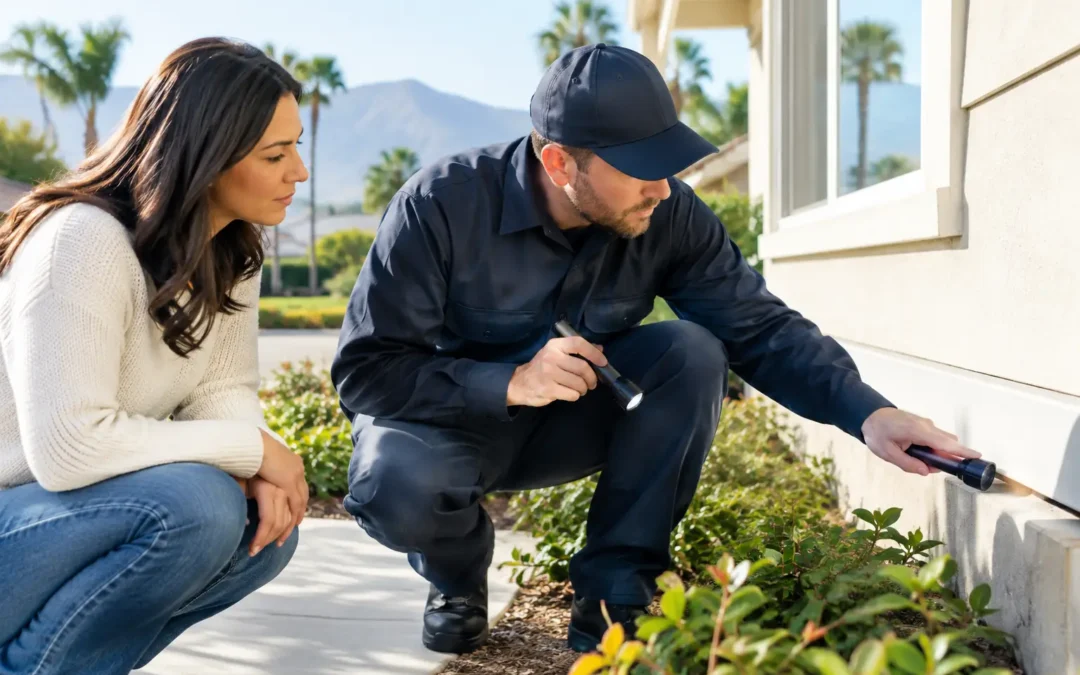
Professional service should be straightforward. A technician should identify the pest pressure, inspect likely sources and entry points, explain the recommended treatment, and tell you what to expect next. For recurring concerns, ongoing maintenance can be more practical than waiting for each issue to become urgent.
Vineyard Valley Pest Control provides targeted treatments and recurring service for local homes and businesses, with an approach built around the pest activity actually happening at the property. That can include ant control, rodent exclusion, spider treatment, mosquito service, gopher control, and other common valley concerns without locking customers into a long-term contract.
A pest-free property is rarely about one perfect spray or one weekend cleanup. It comes from noticing the early signs, correcting the conditions pests use, and getting dependable help before a small nuisance takes over the space you work, relax, and live in.