
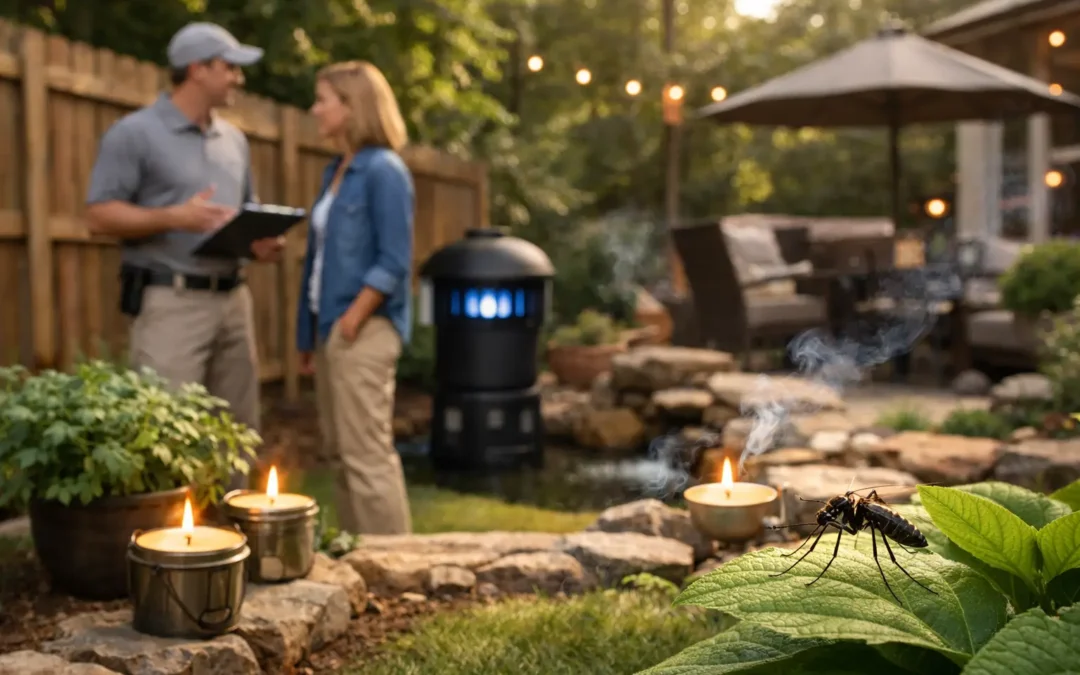
Mosquitoes do not need a pond to become a backyard problem. In Temecula and Murrieta, a clogged gutter, a forgotten planter tray, or a pet water bowl left untouched for several days can give them the moisture they need to breed. The best ways to deter mosquitoes start with removing those small water sources, then building a prevention routine that fits your property and how you use it.
For families, mosquitoes can turn an otherwise enjoyable evening outside into a constant round of swatting. For restaurants, offices, apartment communities, and other local businesses, they can affect customer comfort and create ongoing complaints. The good news is that mosquito pressure is manageable when you address both the breeding areas and the adult mosquitoes already active around the property.
Best Ways to Deter Mosquitoes at the Source
Mosquitoes lay their eggs in or near standing water. Some species can develop from egg to biting adult in as little as a week when temperatures are warm, which is why a quick check after watering, rain, or yard work makes such a difference. In our Southern California climate, irrigation and shade often create more mosquito opportunities than rainfall alone.
Walk your property once a week and empty anything that holds water. Turn over unused buckets, wheelbarrows, toys, and plant pots. Refresh birdbaths and pet water bowls regularly, rather than simply topping them off. If you have a rain barrel, make sure it is properly screened. Keep pool covers from collecting puddles, and check the edges of pools, spas, and decorative water features where water may sit undisturbed.
Gutters deserve extra attention. Leaves, roof grit, and debris can hold water in places that are easy to overlook from the ground. Clear clogged gutters and make sure downspouts direct water away from the home instead of creating soggy spots near the foundation. Repair leaking hose bibs, irrigation lines, and outdoor faucets as soon as you notice them.
Not every water feature needs to be removed. A properly maintained swimming pool is not usually a mosquito breeding site, and moving water is far less attractive to mosquitoes than still water. For fountains or small ponds, circulation and regular maintenance matter. If the feature cannot circulate water consistently, ask a pest professional about appropriate mosquito control options for that setting.
Reduce the Places Adult Mosquitoes Rest
Removing breeding water helps prevent the next generation, but adult mosquitoes also need cool, protected places to rest during the heat of the day. They commonly shelter in dense shrubs, overgrown ground cover, tall grass, ivy, and cluttered corners of the yard.
Keep landscaping trimmed, especially around patios, gates, play areas, and walkways. Thin dense vegetation enough to improve airflow without stripping your yard of the privacy or shade you enjoy. Remove piles of leaves, stacked containers, and unused materials that create damp, protected hiding spots.
This is one area where the right approach depends on your property. A large yard with mature landscaping will naturally have more resting areas than a small patio home, and commercial properties often have broad planting beds that need regular attention. The goal is not a bare landscape. It is making the areas where people gather less inviting to mosquitoes.
Make Patios and Outdoor Seating Less Appealing
Air movement is one of the simplest ways to improve comfort outside. Mosquitoes are weak fliers, so a properly placed outdoor fan can make a patio, deck, or outdoor dining area noticeably less comfortable for them. Aim airflow across the seating area rather than straight down from above.
Screens also help, provided they are in good condition. Check window and door screens for tears, loose edges, and gaps around frames. For covered patios or outdoor work areas, screening can be a practical long-term improvement when mosquitoes are a recurring issue.
Try to schedule outdoor gatherings away from the times mosquitoes are most active, particularly around dawn and dusk. That is not always realistic, especially during summer evenings, but it can reduce exposure when you have flexibility. Light-colored, loose-fitting clothing that covers arms and legs adds another layer of personal protection without relying entirely on sprays.
Use Personal Repellent Correctly
Yard prevention and personal protection work best together. If you will be outdoors during active mosquito hours, use an EPA-registered insect repellent according to its label directions. Products containing active ingredients such as DEET, picaridin, oil of lemon eucalyptus, or IR3535 can be effective options when used properly.
Repellent is not a substitute for eliminating standing water, but it is useful when you are gardening, walking the dog, attending an outdoor event, or spending time near irrigated landscaping. Apply it to exposed skin as directed, and avoid treating cuts, irritated skin, or areas covered by clothing. For children, adults should apply the product and follow the age guidance on the label.
Citronella candles, coils, and similar products may provide limited relief in a small, still area, but they are rarely enough for a mosquito-heavy yard on their own. Wind can quickly reduce their effect. Think of them as a short-term comfort measure, not the foundation of a prevention plan.
Be Careful With DIY Yard Treatments
Store-bought foggers and broad spray products can seem like a fast answer when mosquitoes are suddenly everywhere. They may reduce adult mosquito activity for a short period, but they do not correct the breeding source. Used carelessly, they can also affect beneficial insects that share your landscape.
If you choose a DIY product, read and follow the label exactly. Avoid spraying flowering plants when pollinators are active, and never apply products near ponds, drains, or water features unless the label specifically allows it. More product is not better, and routine spraying without a clear reason can waste time and money.
For many homeowners and property managers, targeted professional service is a better fit when mosquito activity continues despite cleanup. A trained technician can inspect the property for overlooked breeding areas, identify likely resting zones, and apply treatment where it has the most value. This is especially helpful before an outdoor event or when a large property has dense landscaping, drainage areas, or recurring irrigation issues.
When Mosquito Activity Needs Professional Attention
Call for help if you continue seeing mosquitoes after removing standing water, if bites are happening indoors, or if activity is concentrated around a particular part of the property. Persistent problems can point to hidden sources such as blocked drainage, an overlooked water feature, a neighboring moisture issue, or vegetation that is holding adult mosquitoes close to your outdoor living space.
Commercial properties benefit from a regular inspection schedule because responsibility for outdoor areas is often shared between maintenance teams, landscapers, tenants, and property managers. Clear communication matters. A dependable service plan should identify what needs to be corrected on-site, explain where treatment is being applied, and help prevent the same issue from returning week after week.
At Vineyard Valley Pest Control, mosquito service is approached as a practical property issue, not a one-size-fits-all spray. The right plan considers the amount of shade, irrigation patterns, outdoor activity areas, and the source of the moisture attracting mosquitoes in the first place.
A few minutes spent checking water containers and shaded corners each week can protect a lot of outdoor time. If mosquitoes keep showing up anyway, getting a clear inspection and targeted plan can help you enjoy your yard without making every evening a battle.