
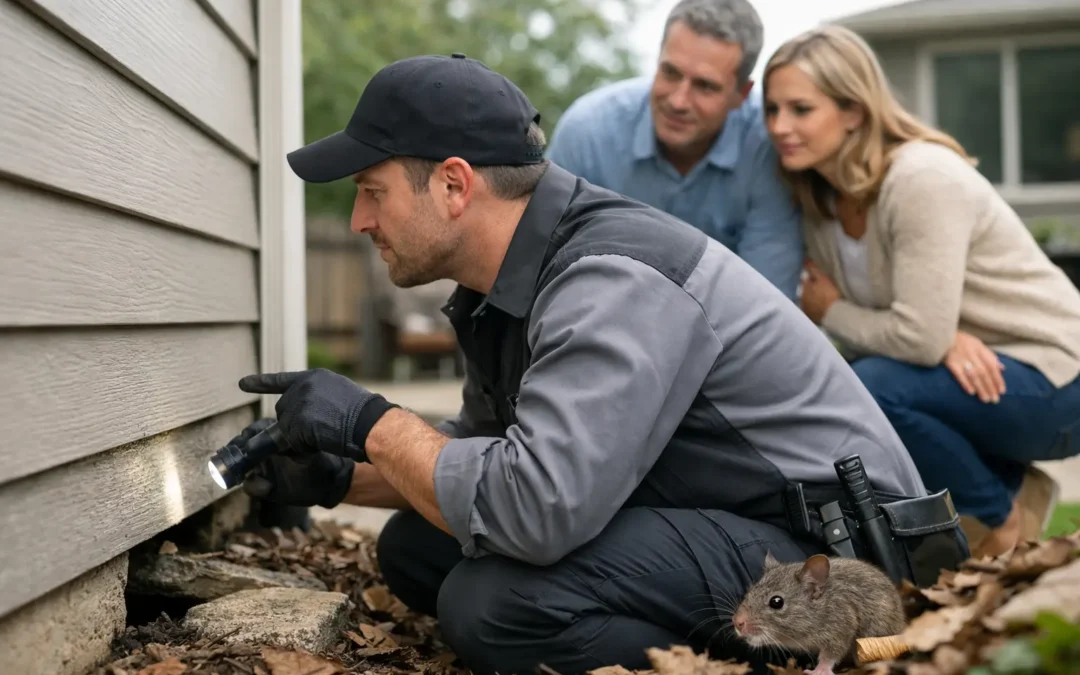
A faint scratching sound above the ceiling at night, droppings behind the pantry, or a chewed pet-food bag can make a home feel unsettled fast. So, why do rodents enter homes when they have plenty of outdoor space in Temecula and Murrieta? Usually, they are looking for the same basics we all depend on: food, water, shelter, and a safe place to raise young.
Mice and rats do not need an invitation. A mouse can fit through an opening about the width of a pencil, while rats can use surprisingly small gaps around pipes, vents, rooflines, garage doors, and utility connections. Once they find a reliable route and a reason to stay, a small outdoor problem can become an indoor one.
Why Do Rodents Enter Homes in the Valley?
Southern California’s mild climate allows rodent activity to continue through much of the year. That does not mean rodents only come inside during cold weather. Heat, dry conditions, landscape changes, nearby construction, and easy access to food can all push mice and rats toward homes and businesses.
Food is the strongest draw
Rodents are opportunistic feeders. Crumbs under appliances, open pantry items, birdseed, ripe fruit from trees, pet food, and overflowing trash bins can support a rodent long after it has entered the property. They do not need a major mess to find a meal. A few overlooked food sources, available night after night, are enough to encourage repeat activity.
Garages are common trouble spots because they often hold bulk food, pet supplies, recycling, and stored items. Outdoors, fallen fruit, unsecured trash, and grill residue can attract rodents close to the structure before they ever get inside.
Water matters more than many homeowners realize
During dry stretches, water can be just as attractive as food. A slow drip beneath a kitchen sink, condensation near an air-conditioning line, a leaking irrigation valve, or a pet water bowl in the garage may give rodents a dependable water source.
This is one reason activity can appear even in a clean home. Cleanliness helps, but rodents may be following moisture or a sheltered travel path rather than searching for a cluttered kitchen.
Shelter offers safety from weather and predators
Attics, wall voids, crawl spaces, garages, sheds, and storage rooms offer quiet, protected hiding places. They also protect rodents from outdoor predators and changing temperatures. In the Temecula and Murrieta Valley, hot days can make shaded structures, insulated attics, and cool indoor spaces especially appealing.
Rodents commonly enter through areas that receive little attention: gaps beneath eaves, damaged roof flashing, attic vents, loose siding, holes around plumbing, and openings where garage doors no longer seal tightly. Dense vegetation against the home can also give them cover as they move toward those entry points.
Nesting season increases pressure
A sheltered home is more than a temporary stop when rodents are ready to nest. Mice can reproduce quickly, and rats can establish activity in hidden areas before a homeowner sees obvious signs. Insulation, paper, fabric, cardboard, and stored belongings make easy nesting material.
That is why one sighting should not be dismissed automatically. A single rodent may be passing through, but droppings, gnaw marks, shredded materials, repeated sounds, or a persistent odor suggest there may be an established issue.
How Rodents Get Inside
Rodents tend to follow edges rather than cross open areas. They travel along fences, block walls, utility lines, shrubs, and foundation edges until they find a gap. Common access points include openings around pipes and cables, torn window screens, dryer vents without proper covers, gaps under exterior doors, broken roof vents, and unsealed construction joints.
Tree branches touching or hanging near the roof can give rats a route to upper levels of the home. Palm fronds, climbing vines, and stacked materials near walls can do the same. Ground-level rodents may enter beneath a side gate, through gaps in a garage door, or at a foundation opening that has widened over time.
The challenge is that entry points are not always visible from the ground. Rodents can access attics and wall spaces without ever appearing in the living area. Professional inspection is often worthwhile when there are recurring noises or signs but no clear source.
Signs the Problem Is More Than an Outdoor Visitor
A rodent outside is not always cause for alarm. Wildlife belongs outdoors, and a passing mouse or rat does not guarantee an infestation. Concern rises when activity is consistently close to the building or when evidence appears indoors.
Watch for droppings in cabinets, behind appliances, in the garage, or along wall edges. Fresh droppings are generally darker and may look moist, while older droppings fade and become dry. Other warning signs include chewed packaging, gnawed wires, grease marks along travel routes, scratching in walls or ceilings, and a musky odor in enclosed spaces.
Do not handle droppings or nesting materials with bare hands. Avoid sweeping or vacuuming dry droppings, which can stir particles into the air. Use gloves and follow safe cleanup practices, or have a pest professional evaluate and address the situation.
Practical Ways to Make Your Home Less Attractive
Rodent prevention works best when it combines sanitation, moisture control, and exclusion. Removing one food source helps, but it will not solve the problem if rodents can still enter easily and nest in a protected attic.
Start with the areas closest to the home. Store pantry food, pet food, and birdseed in durable containers with tight lids. Keep trash container lids closed, clean up fallen fruit, and avoid leaving pet food outdoors overnight. Move wood piles, boxes, and stored materials away from exterior walls when possible.
Next, reduce easy shelter and travel routes. Trim branches away from the roofline, keep shrubs from pressing against the structure, and clear clutter from garages and sheds. Check weatherstripping beneath exterior and garage doors, but remember that door seals alone may not address openings higher on the home.
For exclusion, inspect around utility penetrations, vents, roof edges, and foundation areas. Materials and repair methods matter. Foam alone is often not a long-term rodent barrier because rodents may chew through it. Durable screening, metal flashing, and properly fitted covers are usually more effective when installed without restricting required ventilation.
Why Traps Alone May Not Fix the Issue
Trapping can reduce active rodent numbers, and it can be useful when placed and monitored correctly. But traps do not close an entry point, remove a nest, or stop new rodents from following the same scent trail inside. If the conditions that attracted rodents remain, activity can return.
Poison-based approaches also require care, particularly around children, pets, and wildlife. Rodents that die in inaccessible wall voids or attic areas can create odor problems. The right response depends on the level of activity, the structure of the property, and whether the issue is limited to one area or has spread through the building.
For many homes, the most reliable plan is to identify where rodents are entering, address active activity, and then secure the structure against future access. Commercial properties may need added attention around dumpsters, delivery areas, food storage, landscaping, and shared utility spaces.
When to Call for Rodent Help
It is time to bring in a professional when you hear recurring movement in walls or ceilings, find signs in multiple rooms, notice gnawed wiring, or cannot safely locate the entry points. Prompt action is especially important when rodent activity is near food preparation areas, children’s spaces, or electrical systems.
Vineyard Valley Pest Control can inspect the property, explain what is attracting rodents, and recommend practical treatment and exclusion steps for your home or business. Clear answers matter when you are dealing with an issue that can grow quickly.
A rodent problem is rarely about a dirty home or a single mistake. It is usually a small opening paired with an easy source of food, water, or shelter. Finding and fixing that combination early gives your property the best chance of staying quiet, clean, and rodent-free.