
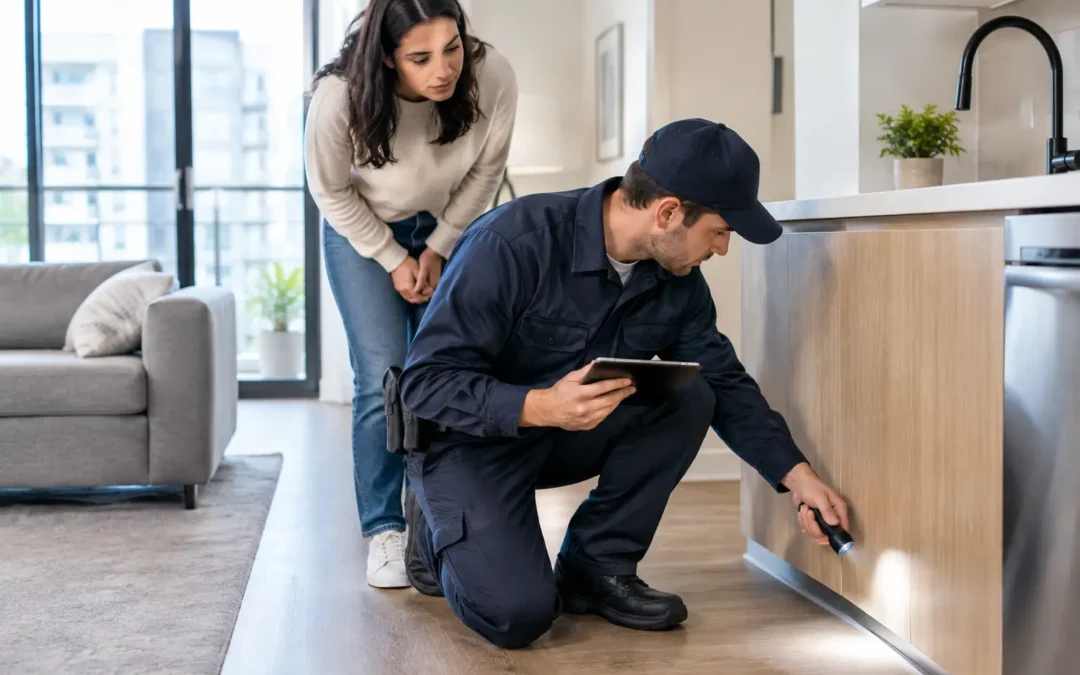
A single trail of ants along the kitchen counter can feel like a small problem. In an apartment building, it can also be a sign that pests have found a route through walls, plumbing openings, shared trash areas, or a neighboring unit. This apartment pest control guide explains how tenants and property managers can respond early, prevent repeat activity, and know when a professional treatment is the right next step.
Apartment pest issues are different from pest issues in a detached home. You can keep your own space clean and still see roaches, rodents, or ants coming from another unit or a common area. The good news is that most problems can be brought under control when everyone acts quickly, communicates clearly, and focuses on the source instead of just the pests that are visible.
Why Apartment Pests Spread So Quickly
Apartments give pests exactly what they need: nearby food, water, warmth, and hiding places. Shared walls allow ants and cockroaches to move between units. Gaps around plumbing lines, utility boxes, doors, and windows can become travel routes for rodents and insects. A leaking pipe under one sink can support pest activity in more than one apartment.
In Temecula, Murrieta, and surrounding valley communities, warm weather can extend pest activity for much of the year. Ants often move indoors when outdoor conditions are dry or when a food source is easy to reach. Brown widow spiders may settle around outdoor furniture, storage areas, garages, and utility spaces. Rodents look for sheltered nesting areas as temperatures shift, especially around multifamily properties with accessible landscaping, dumpsters, and storage rooms.
That is why a quick spray in one unit is not always enough. Effective control usually requires sanitation, exclusion, monitoring, and targeted treatment where pest activity begins.
Start With the Pest You Actually Have
Different pests need different solutions. Misidentifying the problem can waste time and may make it harder to control.
Ants usually appear as a steady trail toward food or water. Wiping up the trail helps temporarily, but it does not eliminate the colony. Avoid spraying random household products directly on every ant you see. Some sprays can scatter the trail and make it more difficult to identify where the ants are entering.
Cockroaches tend to hide near kitchens, bathrooms, appliances, and plumbing. Seeing one roach during the day can indicate a larger issue, because roaches are generally more active at night. Small dark droppings, shed skins, and a musty odor are also warning signs.
Rodents leave droppings, gnaw marks, greasy rub marks along walls, and scratching sounds in ceilings or walls. They can fit through surprisingly small gaps, so leaving a window open or setting a trap may not solve the larger access problem.
Spiders are often noticed in quiet corners, storage areas, patios, and around exterior lighting. Most spiders are beneficial outdoors, but repeated indoor sightings or suspected brown widow activity around a property should be addressed carefully. Do not reach blindly into cluttered storage, gloves, shoes, or outdoor furniture cushions.
Fleas are another apartment concern, particularly when pets move between units or when a previous tenant had animals. Flea control depends on treating pets through a veterinarian-approved plan while also addressing eggs and larvae in carpets, furniture, and floor edges. Treating only the pet or only the room rarely delivers lasting results.
What Tenants Can Do Right Away
A clean apartment will not solve every pest issue, but it removes the easy food and water sources that keep pests close. Start by storing pantry items in sealed containers, wiping counters and stovetops after meals, and taking trash out regularly. Do not leave pet food out overnight, and clean food bowls once pets are done eating.
Pay close attention to moisture. Report dripping faucets, slow drains, water under sinks, and damaged caulking promptly. Roaches, ants, flies, and rodents all benefit from dependable water sources. Even a small, ongoing leak can support an ongoing pest problem.
Reduce hiding places where possible. Break down cardboard boxes, avoid storing bags or clutter directly on the floor, and keep items a few inches away from walls when practical. This makes it easier to spot activity and gives pests fewer protected places to settle.
If you see pests, document the issue before cleaning it up. A clear photo, the date and time, and the location can help management and a pest professional identify patterns. When reporting the concern, include these details:
- The pest you saw or signs you found, such as droppings or webs
- The exact room and location, including nearby plumbing or appliances
- When you first noticed the activity and how often it occurs
- Any recent leaks, repairs, move-ins, pet activity, or trash concerns nearby
Follow your lease and property reporting process. In many cases, management is responsible for arranging service, particularly when pests may be entering through building conditions or affecting multiple units. A prompt, factual report gives the property team a better chance to stop the issue before it spreads.
What Property Managers Should Check
For property managers, the goal is not simply to close a work order. It is to determine whether the report is isolated or part of a building-wide pattern. A recurring complaint in the same stack of units may point to shared plumbing penetrations, utility chases, a roofline issue, a dumpster area, or another common source.
Start with a clear inspection process. Ask where activity was seen, when it occurs, and whether there are signs in nearby units. Check common areas, trash enclosures, laundry rooms, storage spaces, landscaping edges, and exterior doors. These areas often reveal the conditions that feed indoor activity.
Exclusion matters as much as treatment. Seal gaps around pipes and utility lines, repair door sweeps, screen vents where appropriate, address damaged weather stripping, and close openings around exterior access points. For rodent issues, professional exclusion work is especially valuable because the right materials and placement matter. Blocking one hole while missing the primary entry point only shifts the activity elsewhere.
Communication also makes a difference. Let residents know what will happen, whether they need to prepare, and what changes they should make after service. Residents are far more likely to cooperate when instructions are straightforward and they understand why they are being asked to empty a cabinet, move pet bowls, or allow access to a specific area.
When DIY Products Are Not Enough
Store-bought products can help with a very minor, isolated pest sighting, but they have limits in multifamily settings. Foggers and bug bombs are usually a poor choice for apartments. They may expose people and pets to unnecessary product, fail to reach hiding areas, and push insects into walls or neighboring spaces.
Professional service is a better fit when you are seeing pests repeatedly, finding droppings or nesting signs, noticing activity in more than one unit, or dealing with stinging insects, suspected brown widows, or rodents. It is also the right call when a tenant has tried reasonable sanitation steps and the activity continues.
A licensed pest professional can identify the pest, inspect likely entry points, apply targeted treatment, and recommend practical corrections. For an apartment community, recurring maintenance can be more cost-effective than waiting for individual complaints to turn into a larger infestation. The right frequency depends on the property, pest pressure, resident turnover, landscaping, trash handling, and history of activity.
Vineyard Valley Pest Control helps local residents and property decision-makers address the pest pressures common to the Temecula and Murrieta Valley with targeted treatments, practical recommendations, and dependable follow-up.
Preparing for Apartment Pest Treatment
Preparation instructions vary by pest and treatment method, so follow the directions provided by the technician. In general, residents may need to clear access beneath sinks, pull small items away from baseboards, secure pets, and avoid cleaning treated areas for a specified period. For cockroach service, removing food residue and reducing clutter beforehand can make a meaningful difference.
Property managers should coordinate access early and make sure residents know who will enter, when service is scheduled, and whether re-treatment may be needed. Some pest problems need more than one visit because eggs hatch later or activity is spread across connected spaces. That is not a sign that treatment failed. It is often part of a proper control plan.
Prevention Works Best as a Shared Habit
The most successful apartment pest control plans are shared efforts. Tenants can reduce food, water, and clutter. Management can maintain the building, address gaps and leaks, and respond to reports. A pest professional can identify the source and apply the right treatment without guesswork.
If you spot a pest today, report it while the details are fresh. A small, well-documented concern is much easier to solve than a problem that has had weeks to move through the building.