
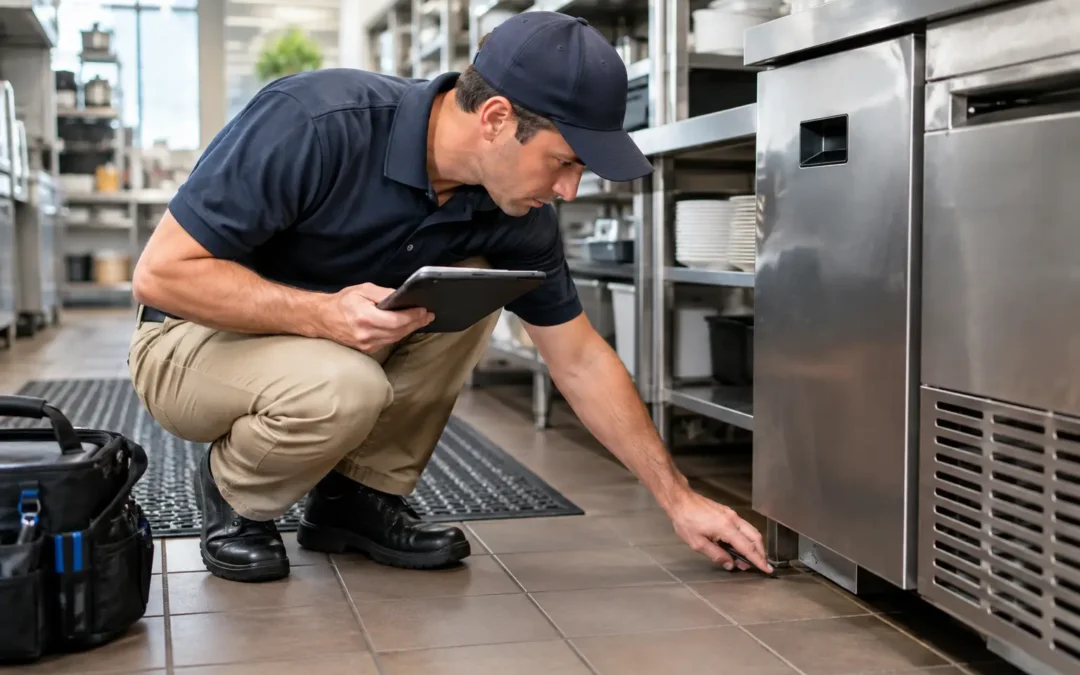
The last thing a restaurant manager needs during a busy dinner rush is evidence of rodents near a storage area, dish station, or dining room. Restaurant rodent prevention is not just about avoiding an unpleasant sighting. It protects food safety, employee confidence, inspection results, and the reputation you have worked hard to build in the community.
In Temecula, Murrieta, and surrounding valley communities, restaurants can face steady rodent pressure throughout the year. Warm weather, nearby construction, landscaped shopping centers, open trash areas, and easy access to food and water all create opportunities for rats and mice. The best defense is a consistent plan that removes what rodents need and closes the routes they use to get inside.
Start With the Conditions Rodents Need
Rodents are practical. They look for shelter, food, water, and a quiet place to nest. A restaurant can provide all four without anyone realizing it, especially after closing time. A few dropped fries beneath equipment, a leaky pipe under a sink, or cardboard stored near a back door can be enough to support activity.
The goal is not to create a spotless-looking space for its own sake. The goal is to make the building difficult for rodents to use. That means looking beyond the dining room and kitchen line to receiving areas, dry storage, utility closets, shared walls, ceiling voids, dumpsters, and landscaping around the building.
A clean restaurant can still have rodents if entry points remain open. On the other hand, sealing gaps without correcting sanitation issues can leave rodents searching for food inside once they have already entered. Effective prevention requires both sides of the equation.
Build Daily Rodent Prevention Into Closing Duties
A strong rodent prevention program works best when it becomes part of normal operations, not a task someone remembers only after a sighting. Closing crews are often in the best position to remove food residue and spot conditions that need attention.
Food should be stored in durable, tightly sealed containers whenever possible. Open bags of flour, rice, pet treats, snacks, and dry ingredients are easy targets. Cardboard cases should not become long-term storage containers, particularly in back rooms where activity can go unnoticed. Rotate stock regularly and check lower shelves, corners, and the floor behind stored products.
At the end of each shift, clean under prep tables and equipment where crumbs, grease, and spills collect. Empty indoor trash, wipe down beverage stations, and make sure mop buckets are not left with standing water overnight. If grease bins or outdoor trash containers are part of the property, keep their lids closed and the surrounding ground free of loose debris.
Employees do not need a complicated pest control manual to help. They need clear expectations and a simple process for reporting concerns. Fresh droppings, gnaw marks, torn packaging, greasy rub marks along walls, unusual odors, or scratching sounds should be reported immediately. Early reporting gives management time to act before a small issue becomes a larger disruption.
Keep deliveries from bringing in more than supplies
Receiving areas deserve extra attention because they are busy, frequently opened, and often connected to storage. Inspect deliveries for damaged cartons, rodent droppings, or signs of gnawing before products go onto shelves. Break down empty boxes promptly rather than allowing them to pile up near the rear of the building.
This is especially useful in multi-tenant retail spaces. Rodents may travel between units, loading areas, and trash enclosures. Your restaurant can do everything right indoors and still need to address conditions around a shared property.
Seal the Entry Points Rodents Use
Mice can fit through openings about the size of a dime, and rats can enter through surprisingly small gaps as well. A door that does not close tightly or a utility line opening left unsealed can become a regular route into a restaurant.
Inspect exterior doors, including rear exits, employee entrances, delivery doors, and doors leading to patios or storage areas. Door sweeps should sit flush against the threshold, and damaged weather stripping should be replaced. Check around pipes, electrical conduits, vents, roof lines, and utility penetrations. Gaps should be sealed with materials that rodents cannot easily chew through.
Pay close attention to areas where the building meets the ground. Cracks along foundations, damaged vent screens, gaps beneath siding, and openings around drain lines can all provide access. Trees, vines, stacked materials, and dense shrubs should also be kept from touching or crowding the structure. Rodents use these as cover while moving toward the building.
Exclusion work is one of the most valuable parts of restaurant rodent prevention, but timing matters. If rodents are already active inside, simply closing every opening may trap them within the structure. A professional inspection can identify active routes and help determine the right sequence for trapping, removal, and sealing.
Protect the Outside Areas That Attract Rodents
The exterior is where many restaurant rodent problems begin. Dumpsters, grease containers, outdoor dining areas, drive-thru lanes, and landscaping can all provide food or shelter. A quick walk around the property each week can reveal problems before they move indoors.
Keep dumpster lids closed and make sure containers are serviced often enough for the volume of waste your restaurant produces. Spilled trash around the enclosure should be cleaned promptly. If the enclosure has gaps or damaged gates, rodents can establish a protected feeding area close to the building.
Outdoor dining needs the same attention as indoor service. Sweep up food after guests leave, empty trash regularly, and avoid leaving pet bowls or employee snacks outside overnight. If your restaurant has a patio near landscaping, trim back groundcover and shrubs that create hidden travel routes.
Water is another overlooked factor. Check irrigation heads, condensate lines, hose connections, and outdoor drains for pooling water. In Southern California’s dry conditions, a reliable water source can make a commercial property especially attractive to rodents.
Know When a Sighting Needs Immediate Action
One rodent sighting does not always reveal the full scope of the issue. A mouse seen during the day, however, can indicate more significant pressure because rodents are generally more active when a property is quiet. Fresh droppings in food storage, gnawed packaging, or recurring activity near the same wall are also signs to take seriously.
Do not rely on store-bought bait or traps as the entire solution. They may catch an individual rodent, but they do not identify how it entered, where it is nesting, or what conditions are sustaining the activity. In a food-service environment, placement and handling also matter. Any control method must be appropriate for the location and coordinated with sanitation and food safety practices.
Professional service is especially helpful when activity is recurring, signs appear in multiple areas, or the building has complex access points. A trained technician can inspect the property, set a targeted plan, monitor progress, and recommend exclusion repairs that fit the way your restaurant operates.
Make Prevention a Shared Responsibility
Restaurant managers, kitchen staff, maintenance teams, property managers, and pest professionals all see different parts of the problem. The best results come from sharing information quickly. If a team member notices droppings near a dry-storage shelf, for example, management can inspect nearby gaps, review cleaning procedures, and have the area evaluated before activity spreads.
Keep a simple log of sightings, cleaning concerns, maintenance repairs, and pest service visits. This creates a useful record for management and makes patterns easier to spot. It can also support a more organized response when an inspector, landlord, or corporate office requests documentation.
For restaurants with ongoing pressure from nearby open space, shared commercial trash areas, or older buildings, recurring pest management can provide added peace of mind. Regular visits allow conditions to be monitored over time instead of waiting for a problem to become visible during service.
Vineyard Valley Pest Control helps local businesses take a straightforward approach: inspect the conditions, address active rodent concerns, identify entry points, and keep communication clear. A restaurant should feel welcoming to guests and well-managed for employees. With consistent daily habits and the right professional support when needed, rodents do not have to become part of the operation.