
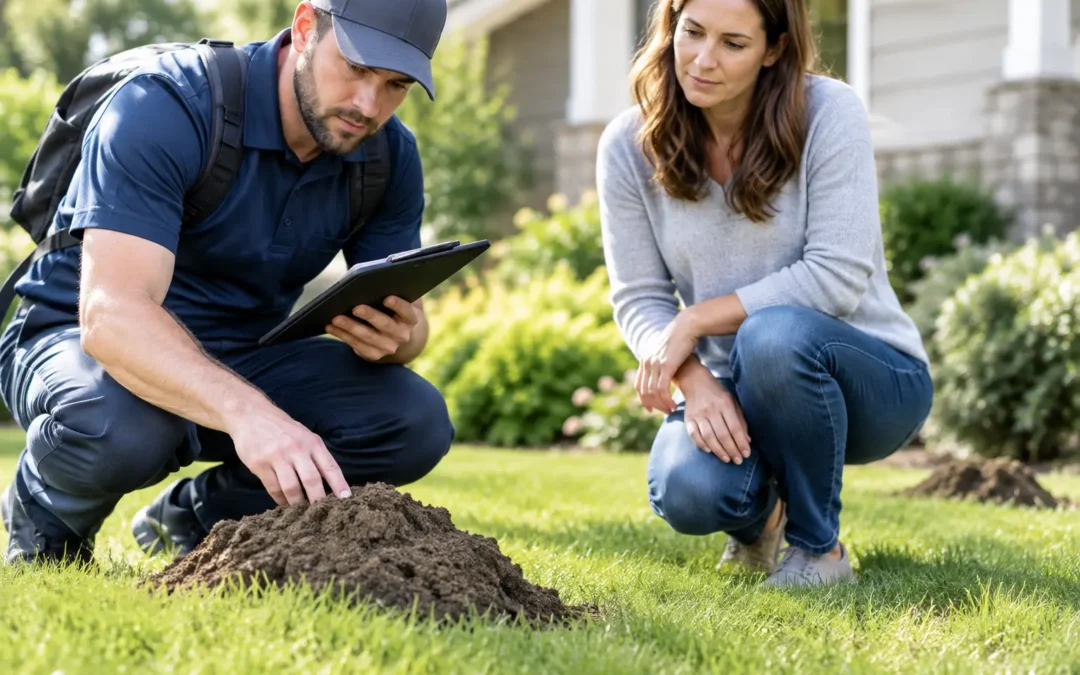
Fresh dirt mounds can turn a well-kept Temecula or Murrieta lawn into a frustrating obstacle course almost overnight. If you are wondering how to remove lawn gophers, the key is to act on active tunnels, not just flatten the visible mounds. Gophers live underground, feed on roots, and can keep expanding their tunnel systems while the surface damage appears to be getting worse.
A fast, targeted response protects lawns, irrigation lines, garden beds, and young landscaping. The right approach depends on the size of the activity, whether pets or children use the area, and how much damage has already occurred.
First, Make Sure You Have Gophers
Gophers are often blamed for any hole or mound in the yard, but a correct identification prevents wasted effort. A gopher mound is usually fan-shaped or crescent-shaped, with the tunnel entrance plugged by loose soil. You typically will not see an open hole in the center of the mound because the gopher closes it behind itself.
Moles leave raised surface ridges and volcano-shaped mounds as they hunt insects. Ground squirrels usually leave open burrows and may be seen above ground. Gophers are more private. You may notice the damage before you ever see the animal.
Common signs of active gopher activity include fresh, moist soil mounds; chewed roots or disappearing plants; soft spots in turf; and damaged drip irrigation or sprinkler lines. In Southern California, irrigated lawns and gardens can be especially attractive because they provide both moisture and a steady food source.
How to Remove Lawn Gophers With Traps
For a single active gopher or a small number of fresh mounds, trapping is often the most direct and reliable option. It removes the animal instead of trying to persuade it to relocate, and it avoids spreading bait across the property.
The most important part is locating the main tunnel. Start by finding a fresh mound. Use a probe, such as a metal rod or a purpose-built tunnel probe, about 6 to 12 inches away from the plugged side of the mound. Push gently into the soil until the resistance suddenly drops. That hollow spot is likely the tunnel.
Open a small section of the tunnel carefully with a hand trowel. Set a properly sized gopher trap in both directions of the tunnel, following the trap manufacturer’s instructions. The traps should sit securely in the tunnel path, not loosely in a widened hole. Cover the opening with soil, cardboard, or a bucket to block light while allowing the traps to work.
Check traps daily. If there is no result after a couple of days, move them to another fresh tunnel. An old tunnel may no longer be occupied. Once you catch a gopher, inspect the lawn over the next week for new mounds. A quiet yard is the best sign that the active system has been addressed.
Why trap placement matters more than the trap itself
Homeowners often buy a trap, set it under the first mound they see, and assume it failed when nothing happens. In many cases, the trap was simply placed in a side tunnel or abandoned section of the system. Gophers may create several visible mounds from one network, so fresh activity is your best clue.
If trapping sounds uncomfortable or you have widespread activity, professional service can save time and reduce the risk of repeated attempts. A trained technician can identify active runs, choose an appropriate treatment method, and help avoid unnecessary disruption to your lawn and irrigation.
Be Careful With Poison Baits
Bait can be effective when it is placed correctly inside an active tunnel system, but it is not a casual lawn treatment. Improper placement can expose pets, children, and non-target wildlife. It can also create secondary risks for animals that consume affected rodents.
Never scatter bait on the lawn or place it where it is accessible from the surface. Do not use bait in a way that conflicts with the product label, and do not assume more bait means faster results. For homes with dogs, outdoor cats, backyard chickens, or regular wildlife activity, trapping or professionally managed treatment is often the better fit.
A licensed pest control professional can assess the property and explain the available options clearly. That is especially helpful on commercial grounds, rental properties, HOA landscapes, or larger residential lots where gopher activity can spread across multiple irrigation zones.
Methods That Usually Do Not Solve the Problem
A few popular remedies may create a little noise or inconvenience, but they rarely provide dependable control on their own. Flooding tunnels may push a gopher deeper into the system, damage surrounding soil, and waste water. Smoke products can be inconsistent because tunnel networks are complex and may have multiple sealed sections.
Ultrasonic stakes are also unreliable as a stand-alone solution. Gophers can adjust to vibration and may simply move farther into the property. Castor oil repellents may temporarily discourage activity in a small area, but results vary with soil conditions, irrigation, and food availability.
These methods can have a place as part of an overall prevention plan, but they should not replace removing active gophers. If fresh mounds continue appearing, the problem is still active.
Repair Damage After Gopher Removal
Once activity stops, repair the lawn so old mounds do not become a tripping hazard or leave bare patches. Rake loose soil from mounds into low spots, then lightly compact and level the area. Fill any collapsed tunnels with soil before reseeding or replacing damaged sod.
Check irrigation carefully. Gophers can chew through drip lines and disturb sprinkler heads, leading to dry patches, leaks, or uneven watering. Run each irrigation zone and look for pooling water, weak spray patterns, and areas that stay unusually dry. Fixing these issues early helps your lawn recover and keeps water from attracting more digging near damaged lines.
For gardens and young trees, inspect roots and stems. A plant that suddenly wilts despite normal watering may have root damage underground. Protective wire baskets around new plantings can help prevent future feeding, especially in areas with a history of gopher activity.
Keep Gophers From Returning
No lawn can be made completely gopher-proof, particularly when neighboring properties have open space, hillsides, or active landscaping nearby. Still, a few practical steps can reduce repeat pressure.
Use underground wire barriers when installing raised beds, vegetable gardens, or valuable plantings. Hardware cloth with openings small enough to exclude gophers can be installed beneath beds and along vulnerable edges. Make sure the material is appropriate for outdoor soil contact and extends far enough to protect the root zone.
Avoid leaving dense weeds, unmanaged ground cover, or piles of plant debris along fences and yard edges. These areas can provide cover and make it harder to spot early mound activity. Regularly walk the property, especially after irrigation or rain, when fresh soil is easier to see.
Healthy turf also makes monitoring easier. Proper mowing, balanced irrigation, and prompt repairs do not eliminate gophers, but they help you notice new damage before a small issue turns into a larger tunnel network.
When to Call for Gopher Control
Call for help when mounds keep reappearing after trapping, when activity covers several areas of the property, or when gophers are damaging irrigation, slopes, hardscape, or high-value landscaping. It is also smart to bring in a professional when you are unsure whether the culprit is a gopher, mole, ground squirrel, or another burrowing animal.
For local homeowners and property managers, Vineyard Valley Pest Control can provide a straightforward assessment and targeted gopher service based on the activity at your property. The goal is not to overcomplicate the problem. It is to address the active tunnels, protect the areas that matter most, and give you a clear path back to a usable lawn.
Fresh mounds are easier to solve than an established network. Check your yard regularly, respond to new activity quickly, and choose a control method that fits your household, landscaping, and comfort level.