
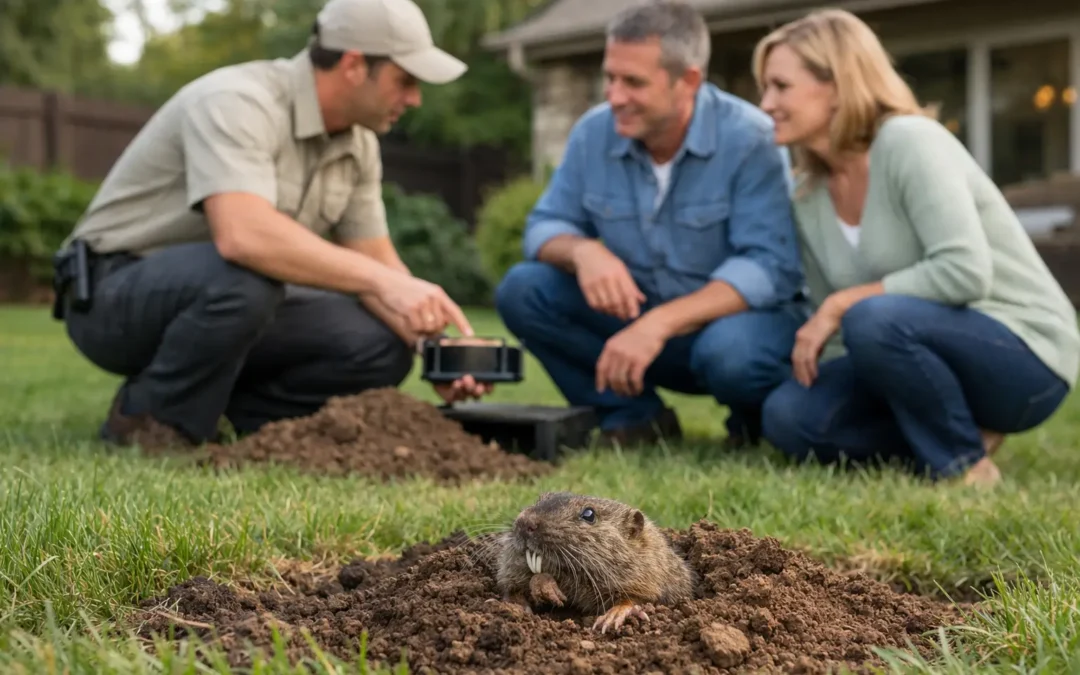
Fresh mounds across a lawn are frustrating enough. Finding chewed roots, sinking soil, and damaged irrigation lines underneath is where a small nuisance turns into a real property problem. If you are dealing with gopher control in yard spaces around your home or commercial property, the right approach is less about guesswork and more about timing, strategy, and consistency.
In Temecula, Murrieta, and nearby valley communities, gophers are more than an occasional backyard issue. Our dry climate, irrigated landscapes, and planted ornamentals create exactly the kind of environment they like. Once they settle in, they can stay active below ground for quite a while without being seen directly, which is why the damage often seems to appear all at once.
Why gophers cause so much damage so quickly
A gopher does most of its work underground, feeding on roots and moving soil as it tunnels. That means the problem is easy to underestimate at first. You might only notice a few crescent-shaped mounds, but below the surface there may already be an expanding tunnel system running through turf, planter beds, and around young trees or shrubs.
The biggest issue is not just the holes in the yard. Gophers can weaken root systems, kill plants that otherwise look healthy, and create uneven ground that becomes a tripping hazard. On larger residential properties and commercial landscapes, they can also disrupt irrigation and make routine landscape maintenance harder and more expensive.
This is one reason quick action matters. Waiting to see if the activity stops on its own usually gives the animal more time to spread through the property.
Signs you need gopher control in yard areas
Not every hole in the ground points to a gopher, so correct identification matters. Gopher mounds are usually fan-shaped or crescent-shaped, with a plugged opening off to one side. You may also see raised ridges where shallow tunnels push up the soil.
Plants that suddenly wilt for no clear reason can be another clue, especially if roots have been damaged underground. In gardens, gophers may pull whole plants downward from below. Around lawns, the surface may start to feel soft or uneven where tunnel systems are close to the top.
If you are seeing repeated fresh mounds every few days, you are dealing with active movement, not old damage. That is the point where a targeted control plan makes the most sense.
What works for gopher control in yard settings
The most effective gopher control usually comes down to direct treatment of active tunnels. This is where many DIY efforts fall short. If the treatment is not placed in the main runway, it often misses the animal completely.
Trapping is one of the more dependable options when done correctly. It allows for direct placement in an active tunnel and gives a clear result. The challenge is access. You need to locate the right tunnel, set the trap properly, and monitor it. On a property with several mound systems, that can take time and experience.
Baiting can also be effective, but it needs to be used carefully and according to label requirements. Placement matters, and so does safety around children, pets, and non-target wildlife. In a residential neighborhood or around commercial landscaping, that kind of caution is not optional.
Professional gopher service tends to work better because it is based on identifying active runs, treating them efficiently, and checking for continued activity. That matters in Southern California landscapes, where irrigation, slope, soil type, and plant layout all affect where gophers travel.
What usually does not work
A lot of store-bought solutions are built around convenience, not results. Repellents, noise devices, and home remedies may sound appealing because they seem easy and low effort, but they often do little once a gopher is established.
Castor oil products may reduce activity in some cases, but they are rarely a stand-alone answer for an active infestation. Ultrasonic stakes are another common purchase, yet results are inconsistent at best. Flooding tunnels is also unreliable. Gophers can move to another section of the tunnel system, and too much water can create its own landscaping problems.
There is also a trade-off with waiting too long on ineffective methods. By the time a property owner decides the DIY route is not working, the tunnel system may be wider, the lawn damage worse, and the repair cost higher.
Why local conditions matter
Gopher control is not exactly the same from one region to another. Here in the Temecula and Murrieta Valley, our properties often mix drought-tolerant landscaping with irrigated grass, decorative plantings, and vineyard-style or rural-edge layouts. That combination can make yards attractive to burrowing pests.
Loose or workable soil is easier for tunneling. Regular irrigation gives gophers access to moisture and healthy roots. Larger lots, greenbelts, and open land nearby can also create a steady source of reinfestation. So even when one gopher is removed, the property may still need monitoring if the surrounding conditions stay favorable.
This is where local experience helps. A provider who understands the pest pressure in this area can usually spot patterns faster and recommend a plan that fits the property, rather than using a one-size-fits-all treatment.
When to call a professional
If you are seeing fresh mounds repeatedly, losing plants, or dealing with activity in several sections of the yard, it is time to bring in professional help. The same is true if you have already tried traps or repellents and the gophers keep returning.
Commercial properties and HOAs should act early as well. Gopher damage affects curb appeal, liability, irrigation performance, and ongoing landscape costs. A patchy lawn or collapsing soil near walkways is not just unattractive. It can become a maintenance and safety issue.
A professional service visit should not feel complicated. The process is usually straightforward: inspect the activity, identify active tunnel systems, apply the right control method, and follow up if needed. At Vineyard Valley Pest Control, that practical approach is exactly what local customers tend to want – fast response, clear communication, and a solution that addresses the problem directly.
How to reduce the chances of future gopher activity
No yard is completely gopher-proof, especially in areas where surrounding land supports wildlife movement. Still, there are ways to make a property less vulnerable over time.
Healthy monitoring habits help a lot. Check the yard regularly for fresh mounds, especially after irrigation cycles or landscape work. Early detection makes control easier and less disruptive. If you catch activity at the first few mounds instead of the twentieth, treatment is usually simpler.
Physical barriers can help in specific situations. Wire baskets around root balls or underground mesh barriers may protect high-value plants or garden beds. These options are useful, but they are not always practical for large lawns or established landscapes. They work best as part of a broader prevention plan, not as a cure for active widespread tunneling.
Landscape upkeep matters too. Keeping an eye on overwatered areas, maintaining plant health, and repairing damage quickly can make the property easier to monitor. You are not removing every attractant, but you are reducing the chance that hidden activity goes unnoticed.
For some properties, ongoing pest service is the better fit than repeated one-time reactions. That depends on the layout, the history of activity, and what surrounds the lot. A smaller suburban yard may only need targeted help once in a while. A larger property near open land may benefit from regular monitoring.
The real goal is not just removal
Effective gopher control is not only about getting rid of one animal. It is about protecting the parts of the property that cost the most to replace – the lawn, root systems, irrigation, and the time you already invested in keeping the landscape in good shape.
That is why the best results come from a practical plan rather than a quick fix. Some yards need one targeted treatment. Others need follow-up and ongoing attention. It depends on the size of the property, how long the activity has been going on, and how easily new gophers can move in from nearby areas.
If your yard is showing fresh mounds, the useful next step is simple: act while the problem is still contained. A faster response usually means less damage, less frustration, and a much better chance of getting your landscape back under control before the tunnels spread any further.