
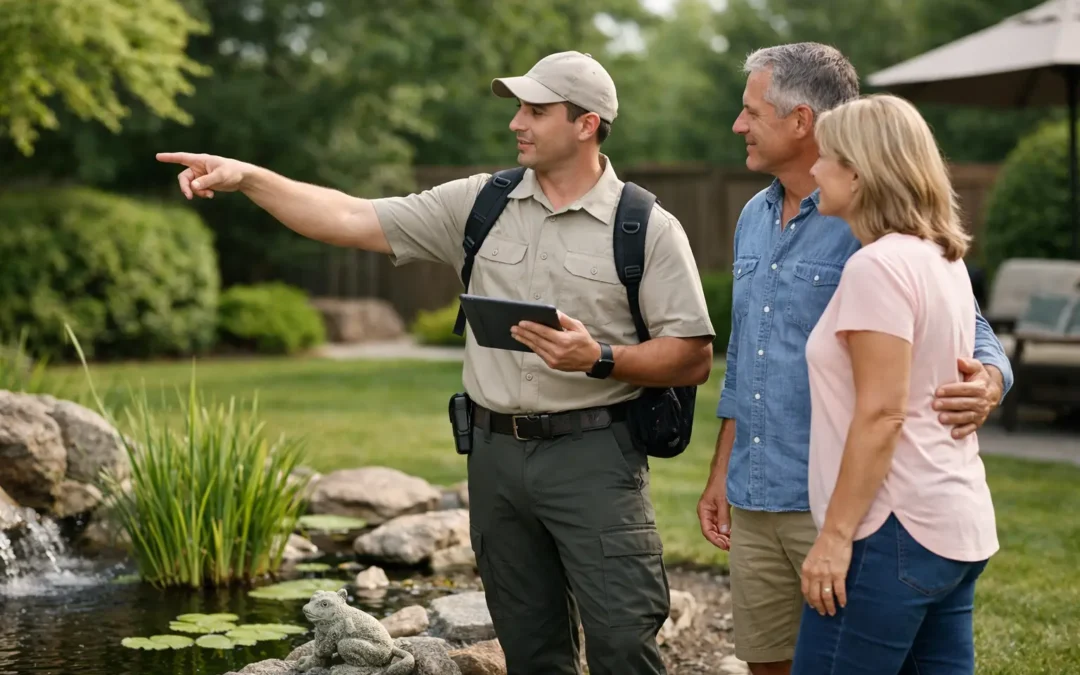
A mosquito problem can make a perfectly good Temecula evening feel like a retreat indoors. If you are searching for the best mosquito yard treatments, the answer is rarely one spray, one gadget, or one weekend project. The most reliable results come from removing breeding sites, reducing resting areas, and using targeted treatment when mosquito activity is already established.
Mosquitoes are especially frustrating because they can appear fast after warm weather, irrigation issues, or even a small amount of standing water. The good news is that most yard problems are manageable when you address the conditions attracting them instead of only chasing the mosquitoes you can see.
What Makes a Mosquito Yard Treatment Work?
An effective mosquito plan does two jobs: it stops new mosquitoes from developing around the property and lowers the number of adult mosquitoes resting in shaded landscape areas. Missing either part can leave you with a yard that improves briefly, then becomes uncomfortable again.
Adult mosquitoes do not spend all day flying through the middle of the yard. During hot, bright Southern California days, they commonly rest in cool, protected areas such as dense shrubs, ground cover, shaded patios, ivy, low tree branches, and vegetation near irrigation. A treatment that reaches these harborage areas can reduce active adult populations, but it will not solve an ongoing breeding source elsewhere on the property.
That is why the best approach is practical rather than complicated. Start with water, inspect the landscape, then decide whether a professional treatment is warranted.
Start With Standing Water
Mosquitoes can breed in far less water than most homeowners expect. A neglected pool is an obvious concern, but a small container holding water for several days may be enough to support mosquito development.
Walk the property after watering or rain and look closely at the places that are easy to overlook. Check plant saucers, buckets, toys, wheelbarrows, tarps, clogged gutters, birdbaths, pet bowls, outdoor drains, and the trays beneath patio furniture or grills. Empty containers, turn them over, or store them under cover.
Some water sources should not simply be dumped out. Ponds, fountains, rain barrels, and water features may be part of the landscape, and they can often remain in place with proper maintenance. Keep pumps circulating, repair equipment that has stopped moving water, and speak with a pest professional about mosquito larval control products designed for appropriate water features.
Irrigation deserves attention, too. Overwatered lawns, leaking valves, low spots in planters, and runoff near a patio can create recurring moisture that supports mosquitoes and other pests. In the Temecula and Murrieta Valley, where watering schedules can be frequent during dry, hot stretches, correcting a leak or adjusting sprinkler coverage can make a meaningful difference.
Reduce the Shady Places Mosquitoes Use
Once breeding areas are under control, make the yard less comfortable for adult mosquitoes. Trim back dense vegetation around seating areas, walkways, windows, and doors. You do not need to strip your yard bare. The goal is to improve airflow and reduce the dark, humid pockets where mosquitoes rest.
Keep grass cut, clear heavy leaf litter, and avoid allowing vines or shrubs to press tightly against patios and exterior walls. If a favorite outdoor seating area is surrounded by thick landscaping, a little strategic pruning can improve comfort without changing the character of the space.
Fans are also surprisingly useful for patios. Mosquitoes are weak fliers, so a properly placed outdoor fan can make a dining table or seating area noticeably less inviting to them. This does not replace source reduction or treatment, but it is a simple option for gatherings, especially when mosquito activity is light to moderate.
Compare the Best Mosquito Yard Treatments
Different mosquito treatments serve different purposes. Choosing the right one depends on whether you are dealing with occasional bites, a persistent population, or a property condition that keeps producing mosquitoes.
DIY repellents and patio tools
Citronella candles, coils, spatial repellents, and similar patio products can provide limited relief in a small, contained area. They are best thought of as short-term comfort tools for a dinner, barbecue, or evening by the pool. Wind, yard size, and mosquito pressure all affect performance.
These products do not control breeding mosquitoes or treat resting areas across the property. If you are getting bitten whenever you step outside, they are unlikely to be enough on their own.
Mosquito traps
Traps can help monitor activity and may reduce certain mosquito populations over time when they are placed and maintained correctly. However, results vary by species, placement, competing attractants, and the size of the surrounding area.
A trap is not usually the first solution for a sudden mosquito outbreak. It may make sense as part of a longer-term plan, particularly on larger properties, but it should not distract from standing-water control and targeted landscape treatment.
Larval mosquito treatments
Larval control products address mosquitoes before they become biting adults. They are useful for water that cannot reasonably be drained, such as certain ponds, rain barrels, or drainage features. Used correctly, they can be one of the most efficient parts of a mosquito prevention plan.
The trade-off is simple: larval treatments only work where you apply them. They will not affect mosquitoes breeding in a neighbor’s yard, a clogged gutter you missed, or another hidden water source. Regular inspection still matters.
Professional barrier treatments
For established mosquito activity, a professional barrier treatment is often the most direct option. A licensed technician treats the landscape areas where adult mosquitoes rest, focusing on dense foliage, shaded harborage, and other likely activity zones rather than applying product broadly without a plan.
Professional service is particularly helpful before an outdoor event, when mosquitoes are interrupting daily use of the yard, or when repeated DIY efforts have not worked. It also gives you a trained set of eyes on conditions that may be contributing to the problem, including irrigation concerns and hard-to-find standing water.
Barrier treatments are not permanent, and no responsible service should promise that mosquitoes will never enter your yard again. Wind, weather, nearby breeding sources, and new standing water all affect results. Ongoing prevention and treatment as needed offer the most dependable path to a more usable outdoor space.
When a Professional Inspection Makes Sense
Call for help when mosquito activity remains high after you have emptied standing water and cleaned up the landscape. It is also a good idea to schedule service if mosquitoes are concentrated around a particular side of the property, if a water feature is involved, or if you are preparing for a gathering and need quick, practical support.
Commercial properties can benefit from the same approach. Restaurants with patios, apartment communities, offices, and property-managed landscapes can all develop mosquito pressure around irrigation, drains, trash areas, decorative water features, and dense perimeter landscaping. Consistent inspections and maintenance are often more effective than waiting for complaints.
At Vineyard Valley Pest Control, mosquito service starts with identifying the conditions around the property and treating the areas that matter most. Local experience is useful because mosquito pressure in the valley often follows heat, irrigation patterns, landscaping, and seasonal weather shifts.
Keep Mosquitoes From Taking Back the Yard
Mosquito prevention works best as a routine, not a one-time cleanup. Make a quick water check part of your weekly yard care, especially during warm months. After rain, wind, or a change to your watering schedule, take another look around. A five-minute inspection can prevent weeks of bites.
If you use a professional treatment, keep up the steps that support it. Remove standing water, maintain water features, and let your provider know when landscaping or irrigation changes. Those details help keep treatment focused and effective.
Your yard should be a place to relax, host friends, and enjoy the evening – not a place you avoid once the sun starts to set. With the right mix of prevention and targeted control, mosquito relief can be straightforward and lasting.