
A line of ants across the kitchen counter rarely starts in the kitchen. In Temecula and Murrieta, ants often travel in from landscape beds, patio cracks, block walls, irrigation areas, and small openings around the home. Effective ant treatment starts by finding the conditions that support the activity, then addressing the colony rather than just the ants you can see.
That distinction matters. A store-bought spray can make a trail disappear for a day or two, but it may not reach the colony or stop a new trail from forming nearby. The right approach is practical, targeted, and based on where ants are nesting, what is attracting them, and how they are getting inside.
Why Ants Keep Coming Back
Southern California’s mild climate gives many ant species a long active season. Ant activity often increases after warm weather, irrigation, rain, or a sudden shift in temperature. When outdoor food and water become scarce, ants look indoors for dependable sources. A few crumbs, pet food, a leaking pipe, or moisture under a sink can be enough to keep them returning.
Ants are also highly organized. The workers you see are following a scent trail back to a food source. If that trail is wiped away or sprayed without dealing with the larger colony, another group may simply establish a different route. It can feel like the problem moved from the kitchen to the bathroom or from one side of the house to another. In reality, the colony may still be active outdoors or inside a wall void.
Not every ant issue is the same. Some colonies nest in soil near foundations and patios. Others use wall voids, attic spaces, landscape timbers, or gaps around utility lines. Argentine ants are a common concern in this area because they can form large, connected colonies and quickly spread across yards and neighboring properties. A treatment plan should account for that behavior instead of relying on one quick application.
What Professional Ant Treatment Should Address
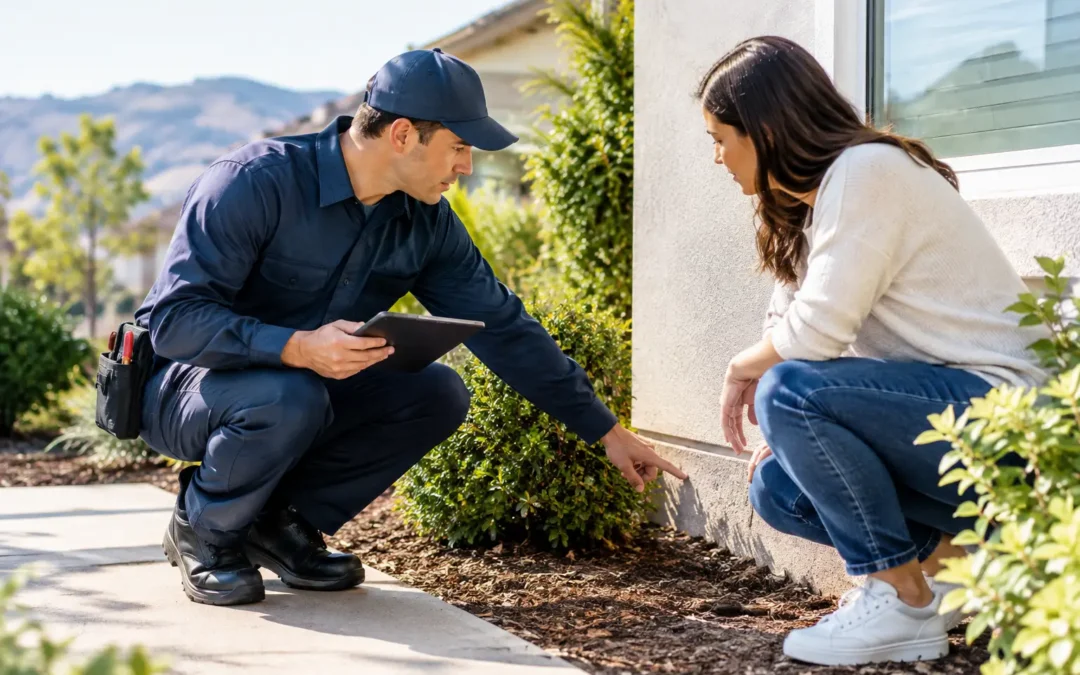
A good service begins with inspection. Before treating, a technician should look for active trails, entry points, moisture conditions, vegetation touching the structure, and likely nesting areas. That creates a clearer picture of the problem and helps avoid treating areas that are unlikely to make a difference.
Treatment may include targeted products around exterior access points, along known travel routes, and in areas where ants are nesting or foraging. The exact method depends on the species, the location of activity, the property layout, and whether children, pets, food-preparation areas, or sensitive landscaping are involved. The goal is to use the right material in the right place, not to apply more product than necessary.
Indoor service should be focused as well. Ants entering through cabinet gaps, plumbing penetrations, baseboards, or windows may need treatment at those specific points. A professional can also advise you on practical corrections, such as repairing a leak, sealing a gap, moving pet food, or trimming plants away from the exterior. These details do not replace treatment, but they can make results last longer.
The Colony Matters More Than the Trail
Killing visible ants provides immediate relief, but colony control is what reduces recurring activity. Depending on the situation, a treatment program may use materials designed to be carried back through the colony. This approach takes patience. It is possible to see activity continue briefly as ants interact with a treatment area, especially when baiting is part of the plan.
That is why clear communication matters. Homeowners should know what was found, where treatment was performed, what activity is normal afterward, and when to call for a return visit. A company that treats the problem and then disappears can leave customers wondering whether the service worked. Reliable ant control includes support after the initial appointment.
Preparing Your Home for Ant Service
You do not need to turn your home upside down before a technician arrives. A little preparation can make inspection and treatment more effective, though. Clear heavy clutter from areas with visible activity, especially under sinks, around appliances, and near pantry shelves. If ants are gathering around food, clean the surface and store food in sealed containers.
Outside, make sure gates are accessible and let the technician know about pets, garden areas, standing water, or recent pesticide applications. If you have noticed trails at specific times of day, share that information. A trail that appears near a bathroom each morning tells a different story than one that forms around a patio after irrigation.
Avoid spraying over treated areas or placing random over-the-counter products nearby unless your technician recommends it. Mixing approaches can interfere with baits or push ants into new areas. If you want to use a product between visits, ask first. The quickest-looking fix is not always the one that helps the overall treatment plan.
When One-Time Service Makes Sense
A one-time ant treatment can be a sensible option when activity is recent, limited to one area, and tied to a clear condition. For example, ants may appear after landscaping work, a plumbing leak, or a short period of extreme heat. Once the source is addressed and treatment is completed, the issue may not continue.
The trade-off is that one-time service does not create an ongoing barrier against future pressure. In a valley neighborhood where ants travel between landscaped yards, shared walls, irrigation lines, and nearby open spaces, new activity can develop months later. A one-time service solves the issue in front of you, but it may not be the best fit for a property with a history of repeat invasions.
When Ongoing Ant Treatment Is Worth It
Recurring service is often a better choice for homes that see ants season after season, have large yards or mature landscaping, or sit near hillsides and open land. It can also make sense for rental homes, HOA-managed properties, restaurants, offices, and other businesses where a visible ant trail creates an immediate frustration for residents, customers, or staff.
Ongoing service allows a technician to monitor changes and treat early, before a small trail becomes a larger indoor problem. It is especially useful when weather patterns change or when an exterior colony shifts its activity. Regular visits also give property owners one clear point of contact instead of starting over each time ants appear.
For many customers, flexibility matters just as much as results. Vineyard Valley Pest Control offers monthly ant control without long-term contracts and includes free return visits when needed. That gives local homeowners and businesses a practical way to stay ahead of recurring activity without feeling locked into a complicated arrangement.
Small Changes That Help Between Visits
Ant control works best when treatment is paired with basic prevention. Keep counters and floors free of food residue, rinse recyclables, and avoid leaving pet food out overnight when possible. Address drips under sinks, around refrigerators, and near exterior hose connections. Water is often as attractive to ants as food.
Outside, trim shrubs and tree branches so they do not touch the home. Keep mulch, leaf litter, and stored items from creating damp hiding spots directly against the foundation. Check weatherstripping, window screens, and gaps around pipes or cables. Sealing every possible opening is not realistic, but closing obvious access points can reduce the number of routes ants can use.
If a trail reappears, take note of its location and direction rather than immediately spraying it. That information helps identify where the ants are entering and gives your technician a better starting point for follow-up service.
A few ants may be a seasonal nuisance, but repeated indoor trails are a sign that the colony has found a dependable route to your property. Addressing that route early keeps a manageable problem from becoming a daily annoyance.