
A line of ants across the kitchen counter, a wasp nest near the patio, or fresh rodent droppings in the garage can make a home feel unsettled fast. Integrated pest management is a practical way to address those problems without treating every pest issue the same way. It starts by finding out why pests are present, then using the right combination of prevention, monitoring, exclusion, and targeted treatment to get control.
For homes and businesses in Temecula, Murrieta, and nearby valley communities, that approach matters. Warm weather, irrigation, new construction, open hillsides, and changing seasons can all create pest pressure. A lasting plan needs to account for the property, the pest, and the conditions bringing it in.
What Is Integrated Pest Management?
Integrated pest management, often called IPM, is a process rather than a one-size-fits-all spray program. The goal is to reduce pest activity by addressing its source and using treatment only where it will do the most good.
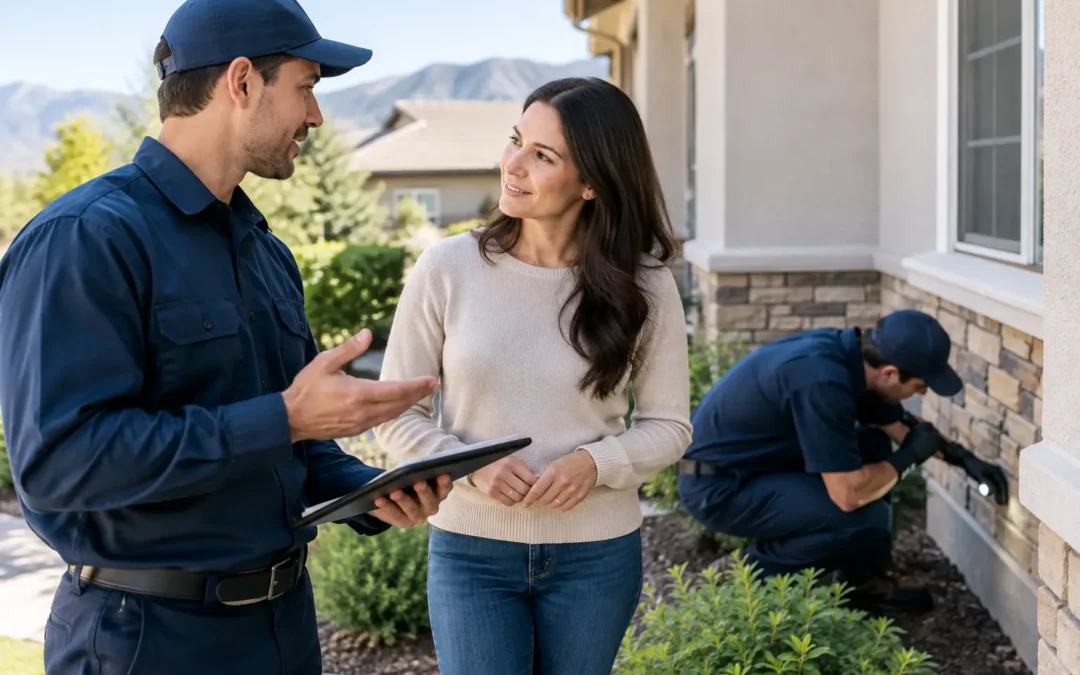
A professional IPM plan generally begins with inspection. Where are pests active? What are they feeding on? How are they entering? Is there standing water, excess moisture, a gap around a utility line, dense vegetation against the structure, or food debris that keeps bringing them back?
Once those answers are clear, the technician can recommend the most effective next steps. That might include sealing entry points for rodents, reducing moisture that attracts cockroaches, treating an active ant trail, removing a wasp nest, or adjusting exterior service around likely insect harborage areas. The approach is direct, but it is not careless.
Why Pest Problems Keep Returning
A pest treatment can reduce visible activity quickly, but pests often return when the conditions that supported them have not changed. Ants may find their way back through a small exterior crack. Rodents can use an opening no wider than a dime. Mosquitoes can breed in surprisingly small amounts of water, while flies may be drawn to trash areas, drains, pet waste, or food-handling areas.
That is why integrated pest management looks beyond the immediate sighting. Treatment may be part of the answer, especially during an active infestation, but prevention helps reduce repeat problems between visits.
This does not mean every pest problem can be solved with exclusion or cleanup alone. Brown widow spiders, cockroaches, fleas, gophers, and established rodent activity often require professional treatment. The difference is that the treatment is selected and placed based on the pest’s behavior, not simply applied broadly without a clear reason.
The Four Parts of an IPM Plan
1. Inspection and identification
Correct identification is the starting point. Different pests leave different clues, and the right response depends on what is actually present. A few ants near a sink may point to moisture or a food source. Repeated ant activity along exterior walls may indicate an established trail entering through cracks or gaps. Rodent scratching in an attic requires a different response than a gopher mound in the yard.
Inspection also identifies areas that make pest activity more likely. At a home, that may include gaps at garage doors, openings around pipes, cluttered storage areas, overgrown landscaping, leaking irrigation, or pet food left outside. At a business, the focus may include loading areas, dumpsters, break rooms, utility rooms, floor drains, and delivery doors.
2. Prevention and exclusion
Exclusion means making it harder for pests to get inside or settle in. It is especially valuable for rodents, but it also helps with insects that use cracks, vents, door gaps, and utility penetrations to enter a building.
Some changes are simple, such as keeping weatherstripping in good condition or storing firewood away from the house. Others require more detailed work, including sealing structural openings, screening vents, or correcting conditions that create moisture. The right recommendation depends on the age and construction of the property, as well as the pest pressure around it.
3. Monitoring and follow-up
Pest activity changes. A property may be quiet for months, then see an increase after hot weather, rain, construction nearby, or a landscaping change. Monitoring helps catch that shift before it becomes a larger problem.
For recurring service, follow-up visits give a technician the chance to check previous trouble spots, look for new signs of activity, and adjust the plan as needed. This is useful for homeowners who want dependable prevention and for commercial properties that need consistent documentation and fast communication.
4. Targeted treatment
When treatment is needed, IPM uses the method that best fits the issue. That may involve a focused exterior treatment for ants, baiting and trapping strategies for rodents, a direct wasp nest treatment, or a service plan designed around cockroach harborages. The timing, placement, and products used should match the pest and the property.
Targeted treatment is not about doing less when a serious infestation needs action. It is about doing the right work in the right places. A professional can explain what was found, what will be treated, what you may notice afterward, and whether a follow-up is recommended.
What Homeowners Can Do Between Service Visits
Professional service works best when the property supports the plan. You do not need to turn your weekend into a major maintenance project, but a few routine habits can make a real difference:
- Keep food sealed and wipe up crumbs, especially around pet feeding areas.
- Repair leaks and avoid leaving standing water in planters, buckets, or outdoor containers.
- Trim vegetation away from walls and avoid piling debris next to the home.
- Check door sweeps, garage seals, and screens for gaps that give pests an easy entry point.
These steps will not replace treatment when pests are active, but they can reduce the food, water, and shelter pests need to stay established.
When a One-Time Service Makes Sense and When Ongoing Care Helps
A one-time service can be a good fit for a clear, isolated problem, such as a wasp nest, a sudden flea issue, or gopher activity in one part of the yard. The technician can inspect the situation, perform the needed treatment, and provide recommendations to limit recurrence.
Ongoing service is often the better choice when pest pressure is recurring or seasonal. Ants are a common example in the valley. They may disappear after treatment, then return when temperatures rise or moisture patterns change. Regular maintenance allows a technician to treat early activity, maintain exterior protection, and respond to new conditions before they become disruptive.
Commercial properties often benefit from recurring IPM because pest prevention affects customers, employees, inventory, and day-to-day operations. Restaurants, offices, retail spaces, multi-unit properties, and warehouses each have different risks. A dependable program should fit the building’s use and provide clear communication when activity is found.
Integrated Pest Management for Local Conditions
Southern California pest control is rarely about one season. Heat can drive ants and spiders into shaded areas around buildings. Dry conditions can push rodents to look for water and shelter. Irrigated yards can create ideal conditions for mosquitoes, while backyard fruit, outdoor dining, and pet areas can attract flies and other pests.
Local experience helps connect those conditions to a practical solution. Vineyard Valley Pest Control approaches pest issues with the goal of solving the immediate concern while helping customers avoid the next one. That means clear recommendations, straightforward service, and attention to the places pests use most.
If you are seeing repeated pest activity, start by noting where and when it happens. Take a photo if you can do so safely, avoid disturbing nests or rodent droppings, and have a professional inspect the property. The right plan should leave you with fewer pests, clearer answers, and a property that is harder for pests to call home.