
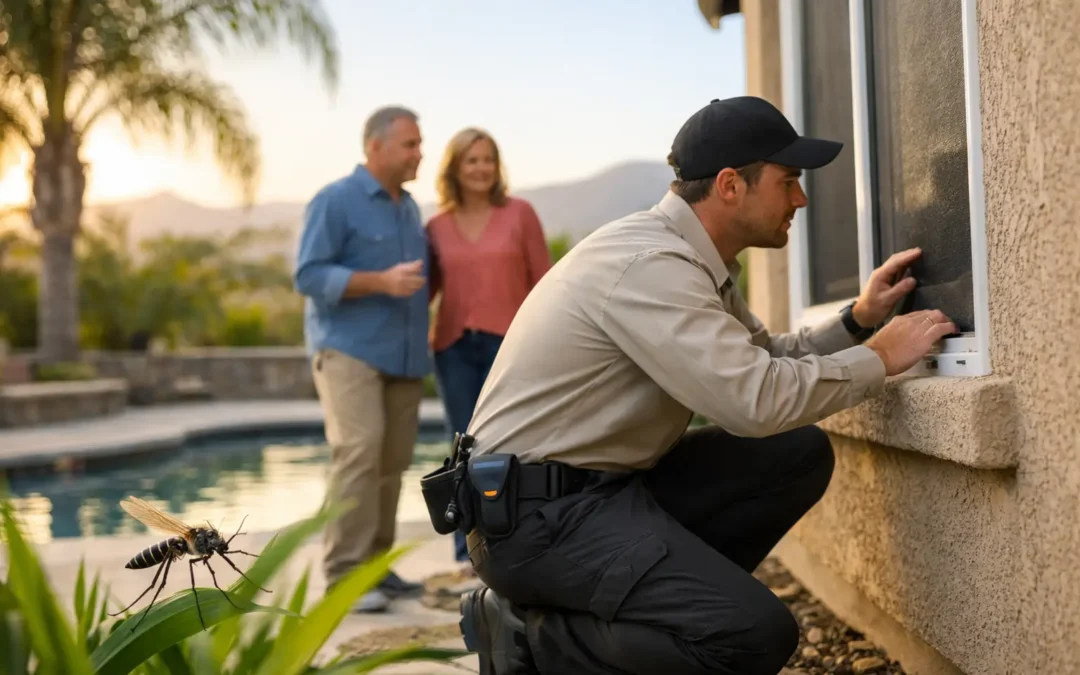
A quiet patio can change fast after a few warm evenings and a little extra water around the yard. That is why tracking mosquito season trends matters for Temecula and Murrieta homeowners, property managers, and local businesses. Mosquito activity is not limited to one date on the calendar. It shifts with temperature, rainfall, irrigation, landscaping, and the small pockets of water that are easy to overlook.
In the Temecula and Murrieta Valley, mosquito concerns often build during spring, remain active through the heat of summer, and can continue well into fall. A proactive approach gives you more control than waiting until guests, employees, or family members are already getting bitten.
What Mosquito Season Trends Look Like Locally
Southern California does not experience a mosquito season in the same way colder parts of the country do. Freezing temperatures do not regularly shut down mosquito activity here, so some species can remain active whenever conditions are favorable. Still, the biggest increases usually happen when daytime and evening temperatures rise and breeding sites become more plentiful.
Spring rain can start the cycle, but rainfall is only part of the picture. Landscaped properties in dry weather can support mosquitoes just as easily when irrigation leaves standing water behind. Overwatered lawns, plant saucers, clogged drains, and uncovered containers can become breeding sites even during a long dry stretch.
Summer brings another shift. Hot days speed up the mosquito life cycle, while warm evenings encourage people to spend more time outdoors. Backyard barbecues, pool areas, restaurant patios, apartment courtyards, and outdoor workspaces all become more difficult to enjoy when mosquitoes are active nearby.
Fall can be deceptive. A few cooler mornings may make it feel like the problem has passed, but mosquitoes can remain active as long as daytime warmth and water sources are available. In some neighborhoods, mosquito pressure does not ease until conditions become consistently cooler and breeding areas are removed.
Why Mosquito Activity Changes by Neighborhood
Mosquito pressure can vary considerably between two homes only a few blocks apart. The reason is usually not cleanliness or a lack of care. It is the combination of available water, shade, vegetation, and nearby breeding areas.
Properties near dense landscaping, greenbelts, drainage channels, ponds, or irrigated common areas may see more mosquito activity. A home with a shaded side yard, mature shrubs, and frequent irrigation can also give adult mosquitoes a cool place to rest during the day. They do not need a large body of water to reproduce. Some mosquitoes can breed in very small amounts of stagnant water.
Certain mosquitoes are also more likely to bite during the day, while others are most active around dusk and dawn. If bites happen while you water the yard in the morning, work outside in the afternoon, or relax on the patio after sunset, the timing can offer clues about the activity around your property. It does not identify the species on its own, but it helps guide where to look.
Commercial properties face their own patterns. Dumpster areas, loading zones, landscape drains, planters, irrigation controls, and outdoor dining spaces can create recurring trouble spots. A single neglected drain or container may be enough to create a repeat issue, especially when it holds water for more than a few days.
The Weather Factors That Drive Mosquito Season Trends
Mosquitoes need water to complete their life cycle, but warmth determines how quickly that cycle moves. After warm weather and a reliable water source, eggs can develop into biting adults surprisingly fast. That means a problem can grow between routine yard checks if standing water is left untreated.
Rain events deserve attention because they fill containers, depressions, gutters, and drainage areas. The more lasting issue often comes several days afterward, when water remains in places that do not drain properly. Check your property after rain, then check again after irrigation. Both can reveal conditions that were not obvious before.
Heat can also push people to water more frequently. Drip lines, sprinklers, leaking valves, and runoff near hardscape areas may leave pools of water where mosquitoes can breed. Efficient irrigation is good for the landscape and can reduce mosquito pressure, but it needs regular monitoring. The goal is to water plants, not create a hidden water source beside them.
Wind, dry conditions, and cooler nights may temporarily reduce how noticeable mosquitoes are, but they do not solve the underlying issue. If sheltered resting areas and standing water remain, activity can return quickly when conditions improve.
Practical Steps Before Mosquitoes Build Up
The best mosquito control starts with removing breeding opportunities. Once a week during warmer months, walk the property with one goal in mind: find water that should not be sitting still. Empty and scrub birdbaths regularly, refresh pet water bowls, turn over unused containers, and keep trash receptacles closed.
Pay close attention to items that collect water without being noticed. Patio furniture covers, wheelbarrows, toys, tarps, buckets, plant trays, old tires, and pool equipment can all hold enough water for mosquitoes. Gutters and yard drains should be clear enough to move water away rather than hold it in place.
For pools and spas, proper maintenance matters. A maintained, circulating pool is less likely to create a mosquito breeding site than a neglected one. If a pool, spa, fountain, or water feature is not in use, address it promptly rather than allowing the water to become stagnant.
Outdoor comfort also depends on adult mosquito resting areas. Trim back dense vegetation where practical, clear debris from shaded corners, and improve airflow around patios and seating areas. These steps will not eliminate mosquitoes by themselves, but they make the area less inviting and make targeted treatments more effective when they are needed.
When Professional Mosquito Service Makes Sense
Source reduction is the foundation, but it is not always enough. Mosquitoes can travel from nearby properties, common areas, drainage systems, and other sources outside your immediate control. If you are seeing consistent bites despite removing standing water, a professional inspection can help identify likely resting and breeding areas around the property.
Targeted mosquito service focuses on the places adult mosquitoes shelter and the conditions that allow populations to rebound. The right approach depends on the property. A small residential yard needs a different plan than a restaurant patio, apartment community, winery event area, or commercial property with large landscaped grounds.
For recurring issues, regular maintenance is often more practical than responding only after activity becomes severe. It allows a technician to monitor changes in the season, adjust service around weather and property conditions, and address hotspots before they disrupt your outdoor space. Vineyard Valley Pest Control provides local mosquito treatments designed around the pest pressures homeowners and businesses face across the valley.
Mosquitoes can also be a public health concern, particularly where local agencies report mosquito-borne disease activity. Professional pest control supports property-level prevention, while mosquito control districts may handle broader surveillance and public-area concerns. Both play different roles, and timely action helps reduce avoidable exposure around your home or business.
Make Your Outdoor Space Easier to Enjoy
Mosquito season is easier to manage when prevention becomes part of normal property care, not an emergency response after the first wave of bites. A quick weekly water check, sensible irrigation, and attention to shaded outdoor areas can make a meaningful difference.
If mosquitoes keep returning, do not assume you have to give up your patio, yard, or outdoor seating area for the season. The right inspection and a practical treatment plan can help you get back to using the space the way it was meant to be used.