
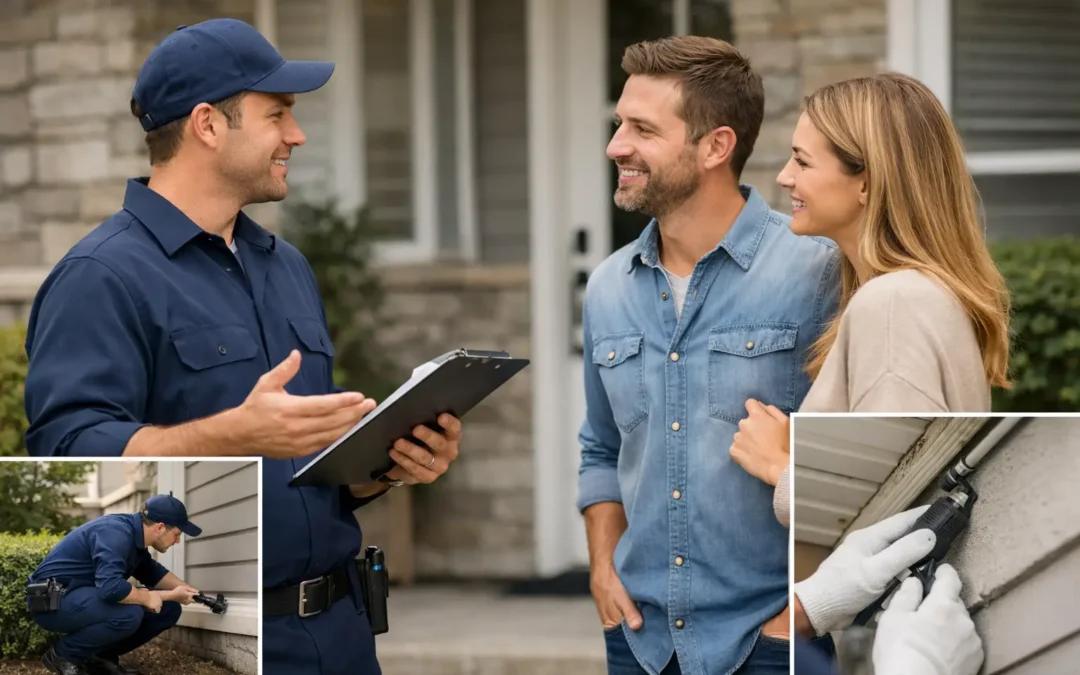
A trail of ants across the kitchen counter, a wasp nest near the patio, or fresh rodent droppings in the garage can make the decision feel urgent. But before the first available technician arrives, take a moment to choose a licensed insured pest control company that can solve the immediate issue without creating new worries for your home, business, family, or tenants.
For Temecula and Murrieta property owners, that choice matters because pest activity here is rarely one-size-fits-all. Warm weather, dry conditions, irrigated landscaping, hillside properties, and active construction can all change what pests are doing and how quickly a small problem grows. A qualified local provider should be ready to explain what is happening, what treatment makes sense, and what comes next.
What “Licensed Insured” Really Means
The phrase sounds simple, but licensing and insurance protect you in different ways. Both should be part of the conversation before service begins.
Licensing shows that a pest control business is authorized to perform the work it offers. In California, structural pest control is regulated, and companies must meet state requirements to operate legally. A properly licensed provider should be able to discuss its credentials clearly, identify the kind of work it is qualified to perform, and send trained technicians who follow applicable treatment rules.
Insurance is about protection if something unexpected happens while work is being performed. General liability coverage can help protect against accidental property damage or injury claims. Workers’ compensation coverage is also an important question when technicians are working on your property, particularly for services involving ladders, rooflines, attics, crawl spaces, or exclusion repairs.
A trustworthy company will not act offended when you ask about either one. They should answer directly and provide documentation when appropriate. If the response is vague, rushed, or difficult to verify, it is reasonable to keep looking.
How to Evaluate a Licensed Insured Pest Control Company
Credentials are the starting point, not the whole decision. The right company should pair professional accountability with a clear plan for your specific pest pressure.
Ask what the inspection includes
A good pest control visit begins with observation, not a generic spray. For ants, that may mean checking entry points, moisture sources, landscaping, and activity around the foundation. For rodents, it should include a careful look at gaps around utility lines, roof returns, garage doors, vents, and other access points.
For commercial properties, the inspection may also involve trash areas, receiving doors, break rooms, storage spaces, and recurring conditions that could invite pests back. The goal is to identify the source of activity and the conditions supporting it, not just treat what is visible that day.
Ask whether the technician will explain their findings. You do not need a technical lecture, but you should know where activity was found, what treatment is proposed, and what you can do between visits to reduce the problem.
Get a clear explanation of the treatment plan
The best treatment depends on the pest, the property, and the level of activity. A one-time wasp treatment may be enough when a nest is removed and there is no recurring issue. Ongoing ant control often works better as a maintenance service, especially where seasonal conditions bring activity back around the exterior.
Rodent control is a good example of why a plan matters. Trapping or baiting may address current activity, but it may not stop future rodents from entering through unsealed openings. Effective rodent service often combines control with exclusion recommendations, cleanup guidance, and follow-up.
Ask what areas will be treated, what products or methods are being used, whether you need to prepare, and how long you should expect before activity declines. A reliable provider will set realistic expectations. Some pests respond quickly; others require multiple visits or changes in conditions around the property.
Understand follow-up and return-visit policies
Pest control is not always finished when the technician leaves. Eggs hatch, neighboring activity shifts, and pests can find a new route into a building. That is why follow-up service is one of the clearest signs of a company that stands behind its work.
Before scheduling, ask what happens if you continue to see pests after treatment. Is a return visit included? Is there a specific service window? Will the technician reassess the issue, or simply repeat the same treatment?
This matters for homeowners who want relief without being locked into a complicated agreement. It also matters for property managers and businesses that need dependable communication, documented service, and quick action when pest activity affects residents, staff, or customers.
Look for local knowledge, not generic answers
A company serving the Temecula and Murrieta Valley should understand the pest patterns common to the area. Brown widow spiders often show up around outdoor furniture, fences, block walls, and storage areas. Gophers can damage lawns, irrigation lines, and landscaping. Mosquitoes may build around standing water, while flies can become a persistent concern around patios, trash areas, and commercial food-service spaces.
Local experience does not mean every answer is the same. It means the technician knows where to look first and can recognize when conditions such as irrigation leaks, dense groundcover, pet food, clutter, or building gaps are contributing to the issue.
Be cautious of a provider that promises to eliminate every pest forever with one treatment. Pest activity changes with weather, neighboring properties, and the way a property is used. Honest service focuses on reducing activity, preventing re-entry, and adjusting the plan when conditions call for it.
Questions Worth Asking Before You Book
You should not need to become a pest control expert to hire one. A few straightforward questions can reveal a lot about how a company operates:
- Are you licensed to perform this type of pest control work in California?
- Can you confirm your liability insurance and workers’ compensation coverage?
- What did you find during the inspection, and what is causing the activity?
- Is this a one-time treatment, recurring service, or a combination of treatment and exclusion?
- What follow-up is included if pests are still active?
- Do I need a long-term contract, or can I choose service based on my needs?
Listen for direct answers. A professional should be able to explain the service in plain language, including cost, timing, preparation, and likely results. You should never feel pressured to approve work you do not understand.
Why Insurance Matters for More Than Peace of Mind
Insurance can feel like a box to check, especially when the pest problem is the only thing on your mind. Yet pest control sometimes involves working around valuable landscaping, appliances, vehicles, pets, children, tenants, customers, and sensitive business operations.
The right provider has procedures for those situations. They communicate about access, treatment areas, re-entry instructions, and any preparation needed. If service includes rodent exclusion or work in difficult areas, they should also explain the scope of repairs and any limits of the work.
Insurance does not guarantee perfect outcomes. What it does show is that the company takes responsibility seriously. Combined with proper licensing, trained technicians, and clear communication, it gives you a stronger foundation for making a confident choice.
Choose Service That Fits the Problem
The lowest quote is not always the lowest cost. A cheap treatment that misses the source of the problem can lead to repeated appointments, more damage, and more frustration. On the other hand, the most extensive service package is not always necessary for a single, isolated issue.
Ask for a recommendation based on your actual conditions. A homeowner dealing with a first-time flea issue may need a targeted treatment and clear preparation instructions. A restaurant, office, or multifamily property may need recurring service that tracks activity over time and keeps small issues from becoming disruptions.
Vineyard Valley Pest Control takes this practical approach seriously: show up fast, explain the issue directly, and provide the ongoing support that makes sense for the property. For monthly ant control, free return visits can offer added reassurance when activity needs another look.
The right pest control company should leave you feeling informed, not pressured. When you verify licensing and insurance, ask about the plan, and choose a provider that understands local conditions, you can address the problem with a lot less uncertainty – and get back to enjoying your property.