
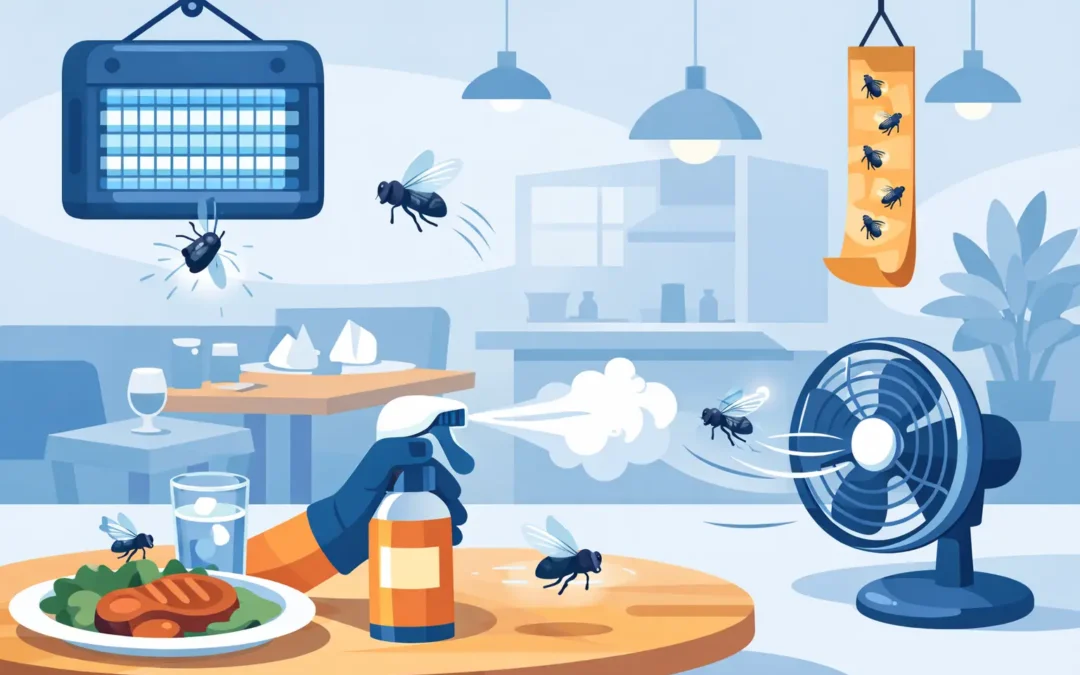
One fly near the front counter can make a customer uneasy. A few around the kitchen, bar drains, or patio can turn into complaints, bad reviews, and health inspection concerns fast. That is why fly control for restaurants needs to be handled early, thoroughly, and with a plan that fits the way your business actually runs.
Restaurant fly problems rarely come from one cause. In most cases, flies are finding a mix of food residue, moisture, trash, and entry points that let them settle in and reproduce. Southern California conditions can make that worse, especially during warmer stretches when fly activity ramps up and doors stay active with staff, deliveries, and guest traffic.
Why fly control for restaurants gets complicated fast
Flies are not just a nuisance. In a restaurant setting, they can affect sanitation, employee morale, and customer confidence all at once. A dining room issue feels public. A back-of-house issue can spread quietly until it becomes much harder to contain.
The reason restaurants struggle with flies is simple: the same things that support daily operations can also support pests. Floor drains stay damp. Soda lines leave sticky residue. Trash areas collect organic material. Kitchen doors open constantly. Even a well-run restaurant can end up with fly pressure if small maintenance issues build up over time.
Not every fly problem is the same, either. House flies, fruit flies, and drain flies behave differently, and the fix depends on which one is active. Treating the wrong source wastes time and lets the infestation continue.
The most common fly trouble spots
In restaurants, problem areas tend to repeat. Floor drains are a major one, especially where buildup forms below the surface and routine mopping does not reach it. Bar areas are another common source because spilled mixers, beer, and syrup create ideal breeding conditions. Trash enclosures, mop sinks, dish areas, and outdoor patios also deserve close attention.
Front-of-house spaces can be affected even when the breeding source is elsewhere. A server door that stays propped open for convenience may be all flies need to move from the alley or dumpster area into guest-facing spaces.
What causes recurring fly activity
If flies keep coming back after sprays, traps, or a deep clean, there is usually an underlying gap in the program. The most common issue is incomplete source removal. Adult flies may be reduced, but if breeding material remains in drains, under equipment, or around waste storage, new activity follows quickly.
Another issue is timing. Restaurants are busy environments, and sanitation tasks may be done consistently but not always deeply enough in the places flies use most. For example, wiping down visible surfaces helps, but it does not solve the organic film inside a drain line or behind a beverage station.
Access is the other half of the equation. Door sweeps, window screens, loading areas, and ventilation openings all matter. If exterior flies can keep entering, interior cleanup alone may not solve the problem.
A practical approach to restaurant fly control
The most effective fly control plans combine inspection, sanitation corrections, exclusion, and targeted treatment. It is not about one quick fix. It is about cutting off breeding sources and reducing active populations at the same time.
A strong inspection should identify where flies are breeding, where they are entering, and which species are involved. That distinction matters. Fruit flies usually point to fermenting organic material. Drain flies are often tied to sludge in drains or moisture-heavy plumbing areas. House flies may be coming from trash zones, exterior pressure, or nearby animal waste.
Once the source is identified, sanitation has to be specific. General cleaning is helpful, but fly prevention usually requires detail work. Drains may need mechanical cleaning to remove buildup. Trash areas may need more frequent washdowns. Equipment may need to be pulled out so hidden food residue can be removed. Outdoor waste lids may need to stay shut and surrounding concrete may need regular cleaning.
Exclusion is just as important. Closing gaps under doors, repairing torn screens, and improving how back doors are managed can make a major difference. In some restaurants, air curtains or better door discipline help reduce how often flies move inside during high-traffic hours.
Targeted treatment then supports the cleanup work. This can include professional-grade products placed in the right areas, insect light traps positioned away from guest sightlines, and service intervals that keep activity from rebuilding. The exact mix depends on the layout, the type of restaurant, and how severe the fly pressure is.
What restaurant managers should look at first
If you are dealing with flies now, start by looking at the places that stay wet, sticky, or overlooked during rush periods. Check floor drains, bar mats, soda stations, grease areas, mop closets, trash bins, and the spaces under heavy equipment. Then look at entry points, especially receiving doors and rear exits.
It also helps to pay attention to when flies show up. If they are mostly near the bar, that points in one direction. If they increase around opening or delivery times, exterior entry may be a bigger factor. If staff report small flies near sinks or drains, breeding inside the plumbing system becomes more likely.
This kind of pattern tracking helps narrow the source faster. It also helps a pest professional build a treatment plan that addresses the actual problem instead of guessing.
Why one-time fixes often fall short
A one-time service can reduce visible activity, but restaurants usually need a more consistent strategy when flies are a recurring concern. That is because the environment changes every day. New deliveries arrive, waste builds up, drains stay in use, and weather shifts outside pressure.
For some locations, a one-time treatment after a specific flare-up is enough. For others, especially restaurants with patios, heavy bar service, or ongoing trash area pressure, recurring maintenance gives better control and fewer surprises. It depends on the age of the building, the sanitation workflow, and how much fly pressure exists around the property.
That is where a local provider can make a real difference. Someone familiar with Temecula and Murrieta area conditions can usually spot seasonal pressure points faster and recommend practical corrections that fit the site. Vineyard Valley Pest Control takes that kind of direct, service-focused approach by identifying where the issue starts, treating the active problem, and helping businesses stay ahead of repeat activity.
The balance between sanitation and professional treatment
Restaurant teams sometimes feel like a fly issue means someone is not cleaning properly. In reality, that is not always the case. Many fly problems happen in well-managed restaurants because the source is hidden, exterior conditions are driving activity, or a maintenance issue has gone unnoticed.
Sanitation is essential, but it has limits. If the problem involves exterior breeding, structural gaps, or persistent activity in drains and service areas, professional treatment becomes part of the solution. On the other hand, treatment without sanitation corrections usually gives short-term relief at best.
The best results come when both sides work together. Staff handle daily practices that reduce attractants. Pest control handles inspection, identification, targeted treatment, and recommendations that are realistic for restaurant operations.
How to protect the guest experience
Guests do not see the full pest control process. They just notice whether flies are present. That means your plan should focus not only on control, but also on visibility. Traps and treatments need to be placed carefully. Service should be scheduled with minimal disruption. Problem areas should be addressed before they affect the dining room.
For restaurants, fly control is really about protecting trust. People expect a clean, comfortable place to eat. When that expectation is met consistently, most guests never think twice. When it is not, they remember.
A good fly control program keeps small issues from becoming public ones. It supports inspections, protects staff workflow, and helps your business stay focused on service instead of pest complaints.
If flies have started showing up in your restaurant, the best move is to address the source before it spreads. Fast action is easier, less disruptive, and usually more effective than waiting for the problem to become impossible to ignore.