
A cockroach in the kitchen, ants trailing along the counter, or a spider near a child’s bedroom can make anyone want a fast answer. But before treatment begins, a fair question comes first: is pest control safe indoors? When it is handled by a licensed professional, applied according to the product label, and paired with clear preparation instructions, indoor pest control can be a safe and effective part of protecting your home or business.
Safety is not about spraying more product. It is about identifying the pest, locating where it is active, choosing the least intrusive effective method, and applying treatment only where it is needed. That targeted approach matters in Temecula, Murrieta, and throughout the valley, where warm weather can keep ants, spiders, cockroaches, and other pests active for much of the year.
Is Pest Control Safe Indoors for Families and Pets?
The honest answer is that it depends on the treatment, the pest problem, and whether preparation and reentry directions are followed. Pest control products are regulated, and licensed technicians are trained to use them according to their labels. The label is not a suggestion. It spells out where a product may be used, how it can be applied, and any instructions for people, pets, food-contact surfaces, or treated rooms.
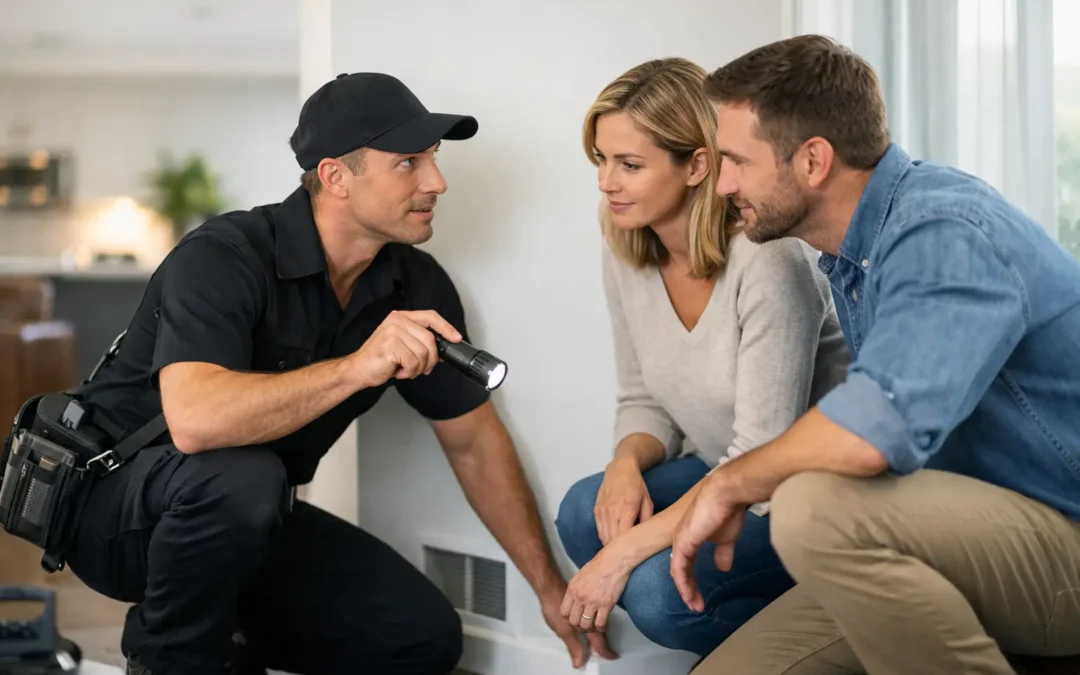
A professional indoor service should begin with an inspection and a conversation. A technician needs to know where pests have been seen, whether there are children, pets, fish tanks, sensitive individuals, or food-preparation areas in the space, and how the building is being used. A daycare, restaurant, family home, office, and vacant rental property may need different precautions.
For many indoor pest issues, the treatment itself is highly targeted. Ant bait may be placed in protected areas where ants travel. Cockroach treatments may focus on cracks, crevices, voids, and harborages behind appliances rather than broad surface application. Rodent control may involve trapping, exclusion work, and secure bait placement in appropriate stations. The goal is to address the source of activity while minimizing unnecessary exposure inside the building.
No treatment is completely risk-free if it is misused. That is why professional application, careful product selection, and following instructions make such a difference. If you have a child who crawls, a curious dog, a cat that reaches high shelves, or a fish tank, say so before service. A good pest professional will adjust the plan and explain what to do before, during, and after treatment.
What Makes Indoor Pest Treatment Safer
The safest pest control plans do not rely on one product or one visit. They combine inspection, sanitation guidance, exclusion, monitoring, and targeted treatment. This is often called integrated pest management, but the basic idea is simple: solve the conditions that help pests thrive, then treat active pests precisely.
For example, an ant trail in the kitchen may be linked to crumbs, pet food, moisture under a sink, or an entry point around a pipe. Treating only the visible trail may provide short-term relief, but finding the route and reducing the food or moisture source helps prevent the problem from returning. The same is true for cockroaches, flies, fleas, and rodents.
A careful indoor service also avoids treating areas that do not need treatment. Rather than using a one-size-fits-all approach, a technician may use gel bait, a crack-and-crevice application, a monitor, a trap, or an exclusion recommendation based on the specific pest and location. This can be more effective than a general spray because pests spend much of their time hidden in tight, protected spaces.
In Southern California homes, outdoor pest pressure often becomes indoor pest pressure. Ants can enter through small gaps during hot, dry periods. Spiders may follow insect activity around doors, windows, garages, and storage areas. Rodents can move inside when they find a gap near utility lines, roof edges, or garage doors. Addressing exterior entry points and conditions around the property can reduce the need for repeated indoor treatment.
How to Prepare Before an Indoor Service
Preparation instructions vary by pest and treatment method. Your technician should give you clear, specific directions instead of a vague checklist. If something is unclear, ask before the appointment. It is always easier to prepare correctly than to wonder afterward whether an area was handled safely.
In many cases, homeowners may be asked to clear counters, store exposed food, pick up pet bowls and toys, and provide access to areas where pests are active. For cockroach service, it may help to reduce clutter under sinks, around appliances, and in cabinets so harborages can be inspected and treated. For flea treatment, vacuuming and pet-care coordination may be part of the plan because flea control often requires more than one step.
Do not move or clean away bait, traps, or monitoring devices unless your technician tells you to. Baits work because pests find and carry them back to the colony or harborage. Removing them too early can slow the process. Likewise, avoid applying store-bought sprays on top of professional bait placements unless you have discussed it first. Some products can repel pests away from bait or make it harder to determine where activity is coming from.
If you have aquariums, terrariums, birds, or other specialty pets, let the pest control company know when scheduling. These situations may require additional precautions, such as covering and filtering aquariums or temporarily moving pets from a treatment area. Clear communication is part of safe service.
During Treatment and Reentry
Most indoor treatments do not require a family to leave for an extended period, but reentry timing depends on the product and application method. Your technician should tell you whether you need to be out of a treated room during service and when it is appropriate to return. Follow those instructions, even if the treatment seems minor.
For some applications, the guidance may be as simple as keeping children and pets away until treated surfaces are dry. Other situations, such as a more involved flea service or a treatment in a heavily infested area, may call for different preparation and reentry steps. The right answer is the one listed for your specific treatment, not a general rule from a neighbor or online post.
After service, ventilate only if your technician recommends it. Avoid wiping treated cracks, crevices, or bait placements. You can continue normal cleaning in untreated areas, especially food-contact surfaces, but ask which locations should be left alone long enough for the treatment to work.
A professional should also explain what you may see afterward. With roach treatments, you may notice increased activity briefly as pests move out of their hiding places. With ant bait, activity can continue for a few days while workers carry bait back to the colony. Seeing some pest activity right after service does not automatically mean treatment failed.
When Indoor Treatment May Need a Different Plan
Some situations call for extra care or a different approach. If someone in the household has a medical condition, chemical sensitivity, severe allergies, or respiratory concerns, discuss that before service. Your physician can advise on personal health questions, while the pest professional can explain the planned products, application areas, and available alternatives.
The same applies to pregnancy, infants, elderly residents, and immunocompromised individuals. These factors do not necessarily prevent treatment, but they should guide the service plan and any recommended precautions. A responsible company will not brush off these questions or promise that every treatment is identical for every home.
For businesses, indoor safety also includes protecting customers, employees, inventory, and operations. Restaurants may need food-area protocols. Offices may need service scheduled around work hours. Property managers may need clear tenant communication. The best plan balances pest control needs with the people who use the space every day.
Choosing a Pest Control Company You Can Trust
Ask whether the company is licensed and insured, what pest it has identified, where treatment will be applied, and what preparation or reentry instructions you need to follow. You should also know whether the service includes follow-up, especially for pests that may require ongoing monitoring or multiple visits.
Be cautious with anyone who recommends the same heavy indoor treatment for every problem without inspecting first. Fast service matters when pests are active, but a rushed diagnosis can lead to unnecessary treatment or missed entry points. A dependable local provider should explain the plan in plain language and leave you knowing what happens next.
At Vineyard Valley Pest Control, the focus is on direct answers, targeted service, and keeping customers informed from the first inspection through follow-up. Whether the issue is ants in the kitchen, cockroaches in a rental, or rodent activity around a commercial property, the right plan should feel manageable, not overwhelming.
A pest problem can disrupt the comfort of a home or the reputation of a business. Asking questions, following preparation directions, and choosing a qualified professional gives you a practical way to get control of the problem while looking after the people and pets who share the space.